

1. Set clear objectives
The first key to successful development is to set a clear objective for the project from the outset. This allows you to assess the results properly once construction is complete.
Here are some suggestions for defining your development objectives:
• Establish clear concept plans during the early planning stage to help the project team understand your expectations;
• Share your project objectives with the team;
• Seek input and feedback from other stakeholders at the outset.
2. Plan well
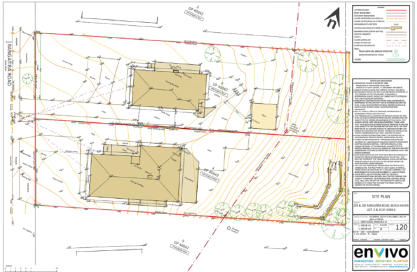
Once you have set clear objectives, the next step is to prepare a development plan. Including the following will help ensure the project’s success:
• A quality team led by an experienced senior consultant;
• Clearly defined project roles and responsibilities;
• Clear reporting lines;
• A clear project timetable.
3. Research thoroughly
Once objectives and plans are in place, thorough research is still needed before the project begins. A feasibility study is an essential step in land development. Undertaking it early, ideally before buying the property, can prevent unexpected complications during the project.
An experienced senior consultant can provide a very detailed feasibility report for your project. It should:
• Identify any servicing or access constraints affecting the site;
• Help you understand the site’s planning controls and approval requirements;
• Answer your questions about the project and approval process.
The purpose of research is to eliminate assumptions and provide reliable information, enabling you to make decisions with a full understanding of the site’s actual conditions.
4. Embrace challenges
Land development is not easy and can be extremely complex. To achieve the best outcome, it is also essential to prepare thoroughly and approach potential challenges with an open mind.
When facing challenges, an experienced team on a successful development project should take the following steps in an organised way:
• Seek constructive criticism at every stage, from strategy and planning through to construction;
• Sound advice can be hard to hear: do not listen only to ideas that please the project team or client;
• Remain open to all feedback;
• Seek a range of views when problems arise.
{ad}
5. Be realistic
Because land development involves highly complex processes, changes to schedules and associated costs can be expected at any point during a project. A successful project team should allow for these variables as part of its plan.
Consider the following important factors when forecasting project schedules and costs:
• Projects requiring council approvals usually take longer;
• In light of these delays, give careful consideration to “off-plan” sales;
• Delays increase costs, making a financial buffer in the budget essential;
• Maintaining progress matters, but pushing a project forward too quickly without adequate preparation can create risks.
6. Understand demand
The success of a large development depends heavily on the market it sells into, so understanding market demand is crucial. Even small details, such as the number or type of car parks, can affect future prices.
When testing your project against market demand, consider the following:
• A good development depends on the right location and timing, so monitoring current conditions in comparable markets is essential;
• Seek advice and feedback from property experts, such as real estate agents and property valuers, to gain a thorough understanding of demand;
• Where possible, obtain feedback from the project’s target customers, or end users, throughout the project.
7. Manage your team
The project team you engage should remain aligned with your vision throughout. Strong team management is essential to achieving this. The following techniques are key to managing a project team effectively:
• Give clear, specific instructions so every team member understands their responsibilities;
• Ask team members to respond to your instructions to confirm that they understand their tasks;
• Pay only necessary consultancy fees to control costs effectively, but do not let cost-cutting obstruct proper professional work;
• At every milestone, review whether project expenditure and progress meet expectations.
8. Learn from experience
Learning from other successful projects can be a good starting point for your project plan. Successful examples worth studying usually share the following features:
• Clear objectives, sound planning and a very strong project team;
• Clearly defined responsibilities for the senior consultant leading the project and for other team members;
• A process that follows all necessary steps, supported by a highly aligned team throughout;
• Managers who seek and consider feedback promptly at every stage to ensure a seamless approval process;
• Project marketing launched promptly once building consent is confirmed.
9. Stay positive
Every project faces challenges and obstacles before reaching its ultimate goal. Approaching them positively and keeping these 9 tips in mind will help you overcome difficulties and achieve the greatest possible success for your project!
Overall, land development is a highly involved process, making it essential to choose the right team. Carefully selecting a team with years of valuable experience in land development and subdivision will help you achieve more with less effort.