

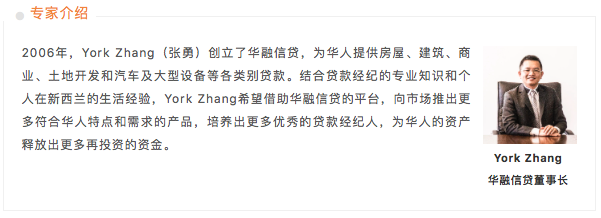
- 2020 was a year of crises across all industries. What changes did you notice for Huarong and its clients during the year?
Overall, 2020 brought mixed fortunes for the lending industry. Our work connects us with many industries, and the pandemic left many unable to operate. Early in the year, we were very worried and felt this was an enormous crisis unlike anything we had experienced. But crisis also brings opportunity. Unexpectedly, after two lockdowns, property recovered fastest because the government had lowered interest rates. More people were buying property, increasing demand for loans, so we were certainly very busy in the second half of the year. What pleased me even more was that we provided real help to many clients. Some were struggling in business and obtained the cash flow they needed to keep going through us. Developers who saw potential in the future market secured funding through us to start construction promptly. I remember one client who had just bought a hotel and needed to settle during lockdown. In those circumstances, getting a loan for a hotel was very difficult. Without one, he would have been unable to settle and would have lost his deposit. We explored many options and eventually found a finance company that enabled him to settle. Unexpectedly, the government later funded the hotel’s use as an isolation facility, allowing him to get through the difficult period successfully.
- As you said, lending connects with all industries. From your observations, what changes has the pandemic brought to New Zealand’s industries and Chinese community?
Looking back over 2020, I think the pandemic brought four major changes to New Zealand’s industries:
- Market transformation: border closures around the world disrupted open global markets;
- Industry reshuffling: although many people do not want to see it, competition that favours the strongest is a law of the market;
- Changes in consumer behaviour: social distancing made online shopping widespread;
- Business model innovation: traditional ways of operating in New Zealand changed.
In the wider environment, sometimes it is less about how well you perform than whether you happen to be in an industry that benefits or suffers. Still, we are very fortunate to live in New Zealand, because its government has done better than those of many other countries. Difficult times also bring out the Chinese community’s diligence and ingenuity. Many people who lost their jobs started again in new work or opened online shops to run small businesses. Some hospitality businesses introduced online sales and offline delivery during lockdown, actually expanding their customer base and scale of operations.
So many of those who approached us in the second half of the year wanted to borrow for property or expand their businesses and pursue further growth. Although 2020 was difficult for everyone, there is still plenty of hope, and I believe things will keep improving for everyone in 2021.
- During the first lockdown, Huarong ran a series of webinars. What originally prompted you to organise them, and what criteria did you use to choose topics and guests?
When lockdown first began, everyone felt lost and frightened, and we received many calls from clients seeking advice every day. I realised we could draw on the strong client network Huarong had built over more than a decade to run webinars. Based on the issues clients raised in their calls, we took the lead in finding professionals from different industries to answer their questions. We eventually held 10 webinars covering many sectors, from finance and lending to supply chains, education, healthcare, tax, law, accounting, economic policy and online business. Some industries, such as tourism and exports, were particularly hard hit, leaving people working in them very uncertain. We also invited industry leaders to offer an outlook for the future and guidance for the present.
I would like to thank the many clients who fully supported these events and joined us as guests to answer questions, as well as everyone who attended.
- As you mentioned, when the pandemic and lockdown first began, Huarong was also significantly affected because its clients spanned so many industries. How did Huarong respond?
Our thinking was that every employee had a family behind them, and so did every client. Motivated employees give their families hope; helping clients secure loans helps their families get through difficult times.
So on our first day back at work after lockdown, I set a goal for a “hundred-day push” and established one core requirement: “Everything for the client.” I hoped this goal and requirement would give every employee clear direction when everyone felt uncertain, and, above all, that we could get every loan across the line.
I was delighted that our colleagues worked together without counting their personal rewards, ultimately exceeding the target set a hundred days earlier. I would also like to thank all my colleagues for their efforts. I am proud of Huarong.
- When everyone felt uncertain about the future, why were you consistently confident and able to inspire confidence and drive among your staff?
The idea of a “hundred-day push” may have come from my experience of the 2008 financial crisis. The lending industry depends on the national economy. As long as the economy does not collapse, we have a way forward, and that earlier experience gave me reason to firmly believe New Zealand could recover quickly.
- New Zealand is primarily an agricultural and pastoral country, providing essentials for human life, so its economic fundamentals are secure;
- New Zealand is a country that attracts more returning residents as the outside world becomes more unsettled. Those returning bring capital, skills and experience, creating room for its economy to grow against the wider trend;
- Over the years, whether facing a crisis or otherwise, every policy adjustment by the Reserve Bank of New Zealand has been precise and effective. New Zealand’s currency is also stable, so many people are willing to invest here. In 2008, the government did not restrict overseas investors. This year, however, it has maintained its stance on immigration, overseas investment and exchange rates, which also shows that New Zealand’s economic crisis remains within the government’s control.
- Many people are concerned about house prices in 2021. Based on your experience, could you offer some predictions?
Personally, I do not think property prices will fall next year. Here is why:
- House prices only fall when people are in a hurry to sell. Interest rates are very low now, and people who lose their jobs can apply to their banks for repayment deferrals of 6 months to a year. If they sell, they still need to rent somewhere, and rents in New Zealand are not cheap, so there is no reason to sell;
- Central banks around the world are issuing more money. House prices are rising partly because money has lost value, so even if a home’s value falls, its price will not;
- Under current policies, the minimum wage and council rates are set to rise, and it is reasonable to expect professional fees to rise too. With everything going up, how could house prices fall?
My advice is that, regardless of whether prices rise or fall, or by how much, if you need to buy a home to live in, buy when the time is right. If you want to sell, unless you need to release the money for another purpose, selling simply to hold cash would certainly be unwise.
- Everyone has high hopes for 2021. What are Huarong’s goals and priorities for next year?
I have always wanted to make Huarong Finance a well-known business in the Chinese community, so more people know about us and choose us. Many new colleagues joined this year, and the pandemic has deepened our appreciation of the importance of professionalism. So in 2021, internally, we will standardise our management further and invest more in training every employee to build a more professional team. Externally, we will streamline the time clients spend communicating with us, help them more effectively and efficiently, and provide a little extra service and advice on their funding arrangements.