
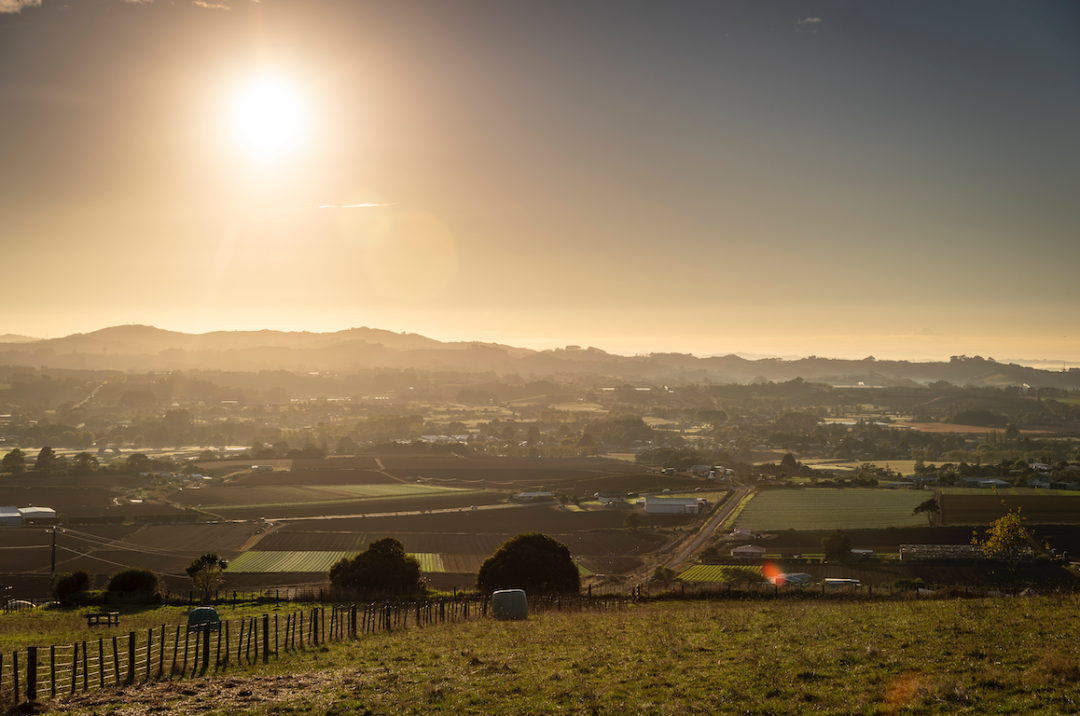
Ride a vintage steam train, explore on horseback, watch equestrian events, pick up fresh fruit and vegetables at weekend markets, admire water gardens and enjoy the beauty of west coast beaches. All these uniquely New Zealand ways to slow down can be found in Pukekohe.
In the Rural Market Report for June 2022, Barfoot & Thompson managing director Peter Thompson said rural and lifestyle property sales had increased compared with April. Sales volumes rose by two-thirds to 40 properties, with a total value of $86,200,000. Premium bare land and lifestyle building sites continued to attract strong buyer interest.
The latest Barfoot & Thompson Suburb Report shows that three-bedroom homes in Pukekohe have an average sale price of $907,966 and average weekly rent of $523, delivering a gross yield of 3%, higher than in most Auckland areas.
Over the past 12 months, Barfoot & Thompson sold more properties in Pukekohe than any competitor, with a market share of 48%. Between 1 June 2021 and 31 May 2022, it accounted for 51% of property sales in the Pukekohe area, completing more than 500 sales!
{ad}
Pukekohe — where is it?
Pukekohe is a well-serviced rural town about 50 kilometres south of central Auckland, a 40-minute drive from central Auckland and 70 minutes from Hamilton.
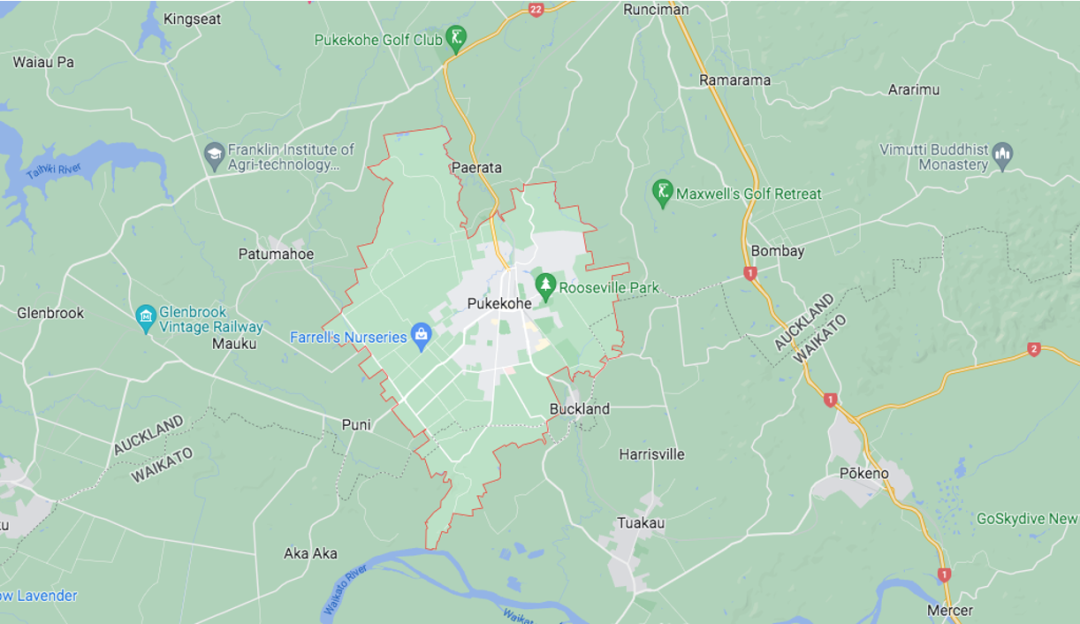
Formerly part of the Franklin district, Pukekohe sits beside the railway and connects to the rest of Auckland through State Highways 1 and 22, making it the Auckland region's southern gateway. Its broad catchment includes Paerata, on State Highway 22 immediately north of Pukekohe. The nearby Waikato district towns of Tūākau and Pōkeno are also connected to Pukekohe.
Pukekohe — its history
As European settler numbers increased in 1843, the bush-covered Pukekohe area gradually opened up. By 1863, increasing numbers of small, independent farms were appearing.
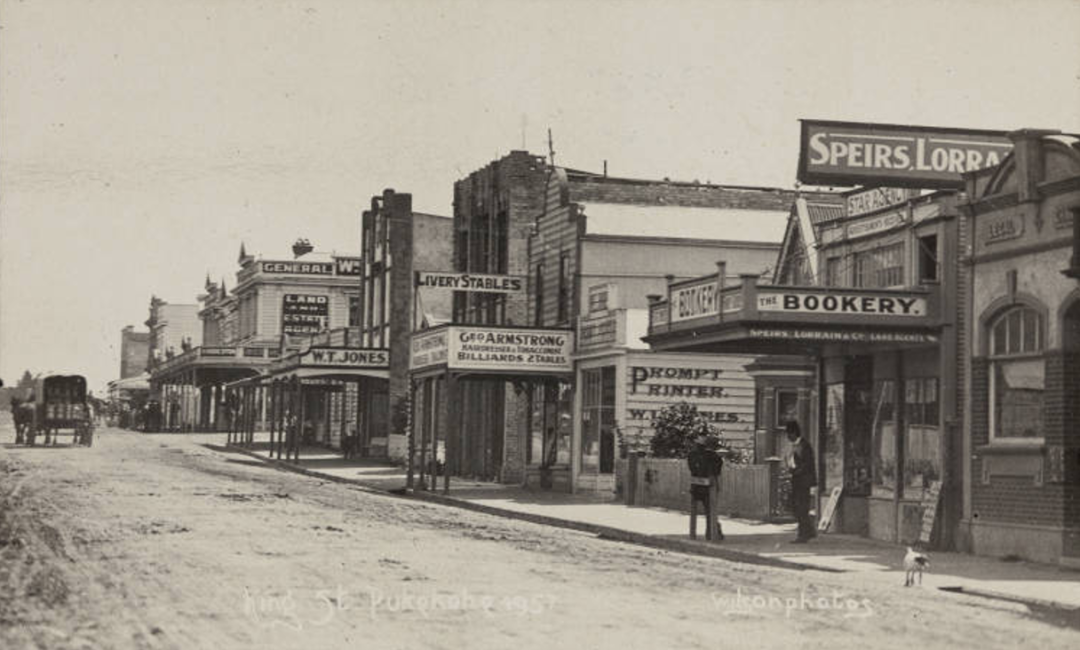
King Street, Pukekohe, 1915. By Wilson, W. T.
In 1915, Wilson, W. T. took this photograph of King Street, Pukekohe's main street, shown above. Newsagents and bookshops, printers, barbers, billiard rooms and land agents lined the street. Even then, Pukekohe had a strong commercial atmosphere and a distinctive way of life.
Pukekohe — present and future
The international V8 Supercars championship is a proud part of Pukekohe's identity, capturing the speed and excitement of this rural town. Yet vintage steam train rides, horseback outings, equestrian events, fresh produce at weekend markets, water gardens and beautiful west coast beaches offer a uniquely New Zealand slower pace, revealing Pukekohe's romance and elegance.
The Auckland Plan 2050 clearly outlines Pukekohe's future. The area is expected to grow significantly over the next 30 years. Around 1700 hectares surrounding Pukekohe have been identified for potential future urban development, with capacity for approximately 14,000 homes.
YIJU: If you were to describe Pukekohe in three key phrases, what would they be?
Cindy:Investment opportunities. Pukekohe has continued expanding over recent years and is a town with considerable growth prospects. It is close to both the motorway and residential amenities, offering plenty of investment and development opportunities.
The value of the soil. There is a large supply of land here, with fertile soils and mostly gentle terrain. Pukekohe was a volcanic area and is particularly suited to agriculture, horticulture, livestock farming and related industries. Tuakau, for example, has livestock auctions at the saleyards.
Self-sufficiency. More than 70% of the people living here are European immigrants, and the area offers a comfortable lifestyle with well-established infrastructure and amenities. Several of New Zealand's major growers have operations in Pukekohe, supplying everyday vegetables to the Auckland region, including greenhouse tomatoes, potatoes and onions.
Lifen:Affordability. Pukekohe is relatively affordable, particularly for first-home buyers. Capital growth potential. Sales over the past few years show relatively steady growth in the area. Transport development. Pukekohe is part of Auckland's rail development plans, and travelling by car or public transport is convenient.
YIJU: Pukekohe — how is the property market performing at present?
Cindy:Pukekohe's overall market is relatively stable. Particularly when other areas have experienced large falls, its current sales trend shows a comparatively modest decline from the same period last year. Even clients who bought at last year's peak can generally still break even in today's market.
Lifestyle property buyers currently have strong purchasing power, and many have genuine housing needs. Many farm and lifestyle property buyers run their own businesses. Living here means they are not constrained by commuting and instead have a separate space to work from home. Demand for lifestyle properties has been good since Covid. Although prices and the speed of sales have certainly slowed, there are still plenty of buyers and enquiries. Underlying demand remains.
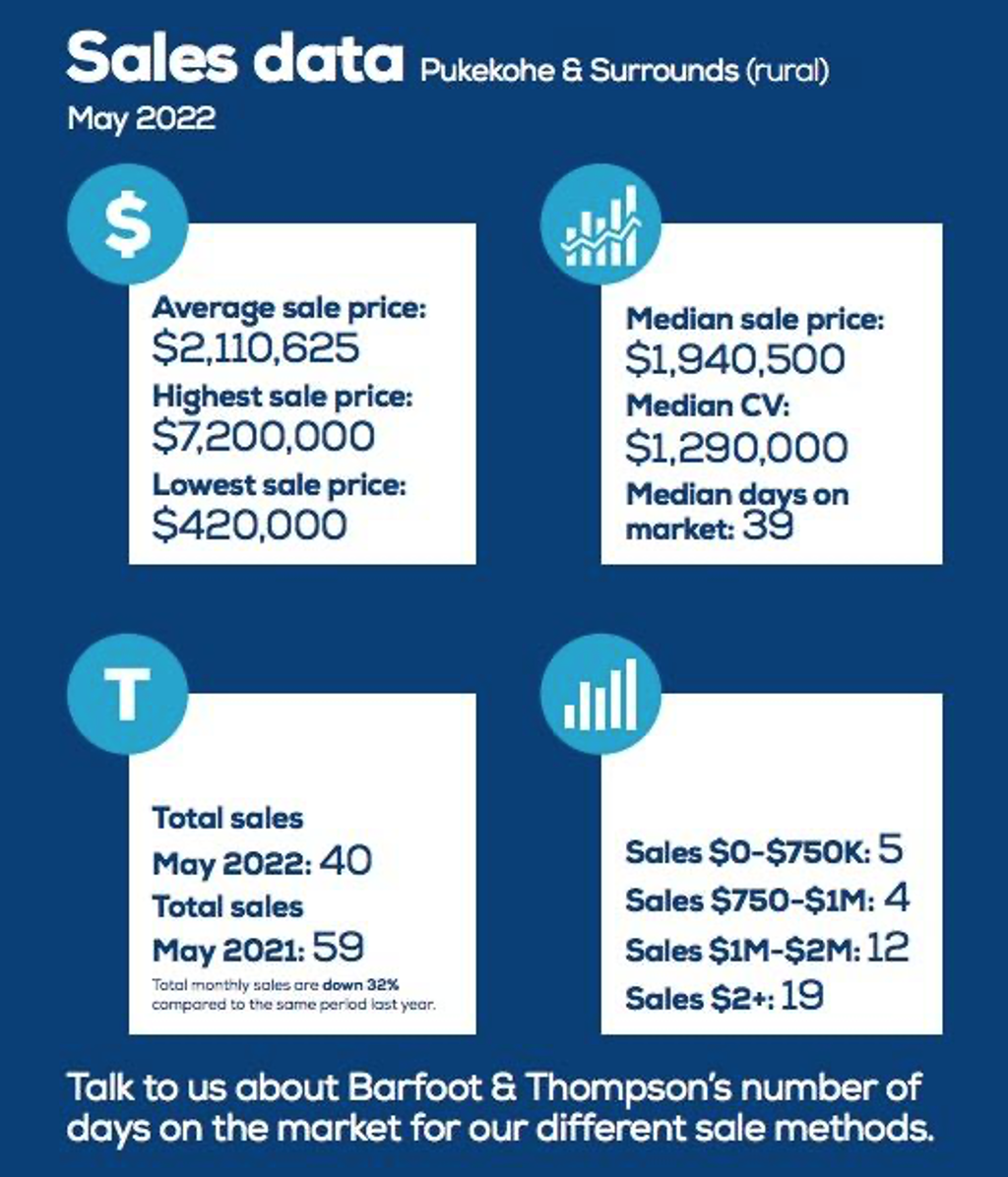
Lifen:During Covid last year, in September and October, for example, clearance rates were very high and prices exceeded expectations. Over the past 6–12 months, overall market growth has slowed and buyer numbers have declined. Properties now take around 8–10 weeks to sell on average. Restrictions on buyers' borrowing are a major obstacle.
Our overall sales were quite good in June this year. I sell mainly new and near-new homes. Prices are a little lower than 6 months ago, falling from above $1,100,000 to just over $1,000,000.
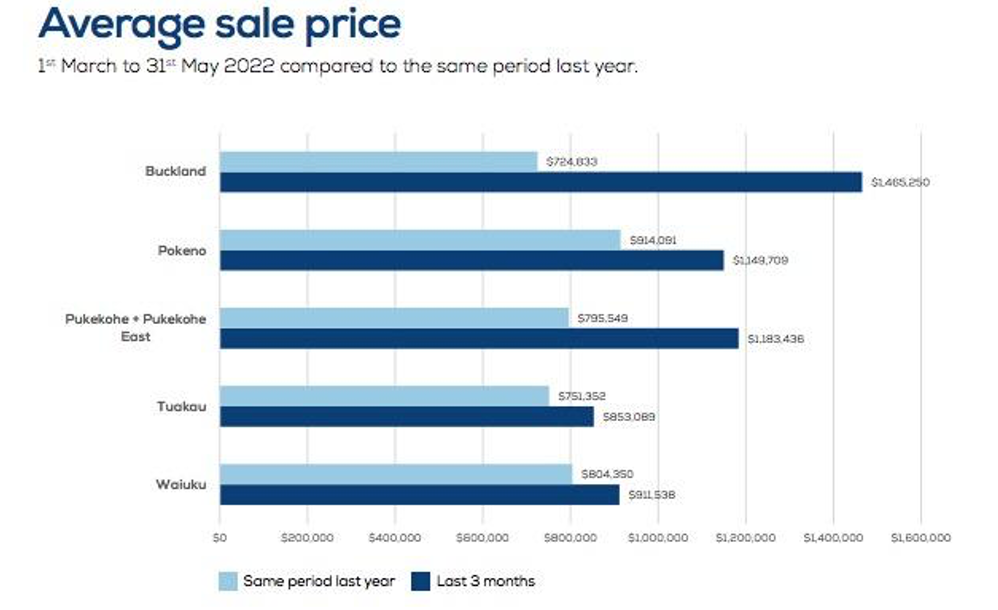
Residential Market Report June 2022
YIJU: For Pukekohe, what is your forecast for future house prices?
Cindy:Over the next 6 months, the market should remain broadly at current levels. Some buyers are holding onto their cash and waiting, worried the market will fall. I believe that if you buy and sell in the same market, market changes should have relatively little effect. People with genuine housing needs will still buy, while bargain hunters have far fewer opportunities.
Lifen:Rising construction and building material costs are keeping new-home prices high, making near-new homes better value. Changes in bank policies and interest rates will affect buyers, particularly first-home buyers.
YIJU: From a resident's perspective, please describe Pukekohe's advantages.
Lifen:I have lived in this area for more than 20 years and really love it. If you like a little distance from the noisy city and enjoy rural living, Pukekohe is an excellent choice.
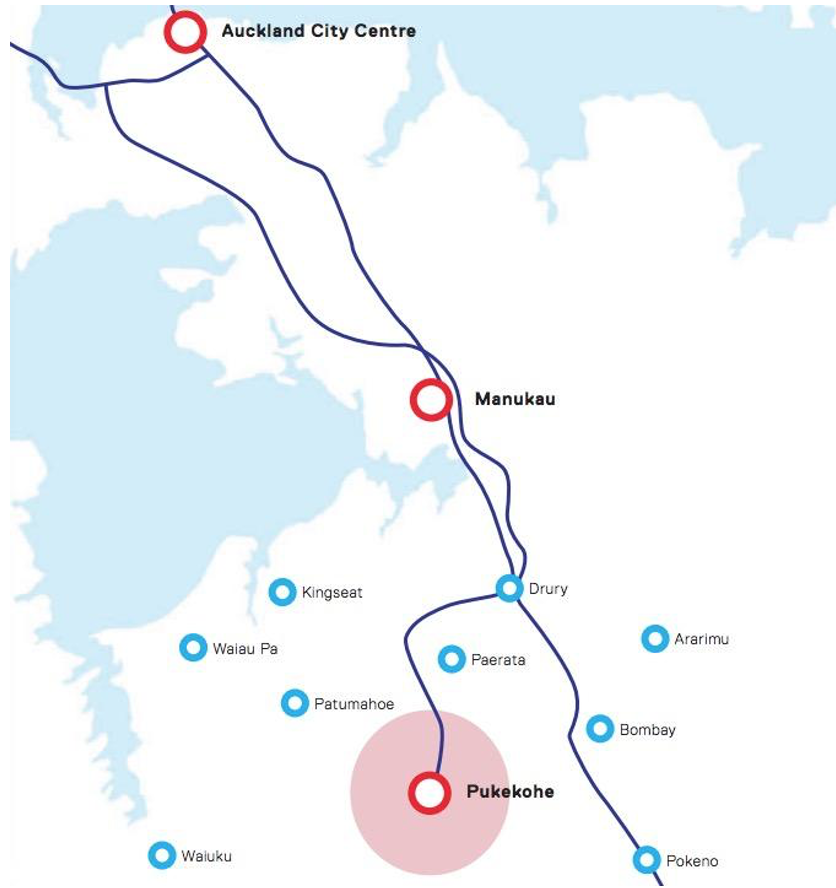
The area is developing very quickly, and the electrified railway will be extended here. Passengers will be able to travel directly from central Auckland to Pukekohe on electric trains without changing at Papakura. Commuting and weekend trips alike will be faster, quieter and cleaner.
Living in Pukekohe is convenient. There are shopping centres, and the main street has plenty of cafés and restaurants, including Chinese and Thai options. There is a Chinese supermarket near the racecourse, so there is no need to go to another area to shop.
Many of my clients are first-home buyers moving to Pukekohe from the North Shore or other areas. After Covid, more people will want better opportunities and facilities for working from home. Pukekohe offers very good overall value, and I believe more people will choose this area.
Cindy:Pukekohe was a major town in the former Franklin district. Alongside its pleasant environment and comprehensive amenities, another key attraction is its investment potential.
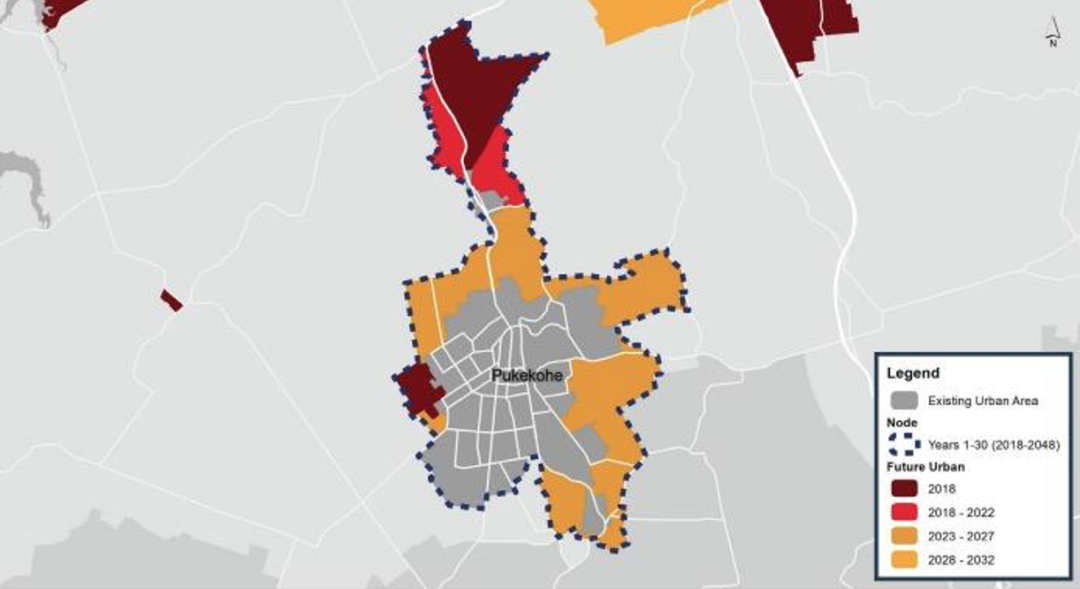
Taking a longer view, many areas south of Auckland are designated Future Urban, including parts of Pukekohe and Drury, as part of plans to expand around existing towns. Kiwi Property, the parent company of Sylvia Park, which covers around 10 hectares, has bought 51 hectares for a major commercial centre in Drury. Several large developers have already committed to building the new Drury area. Around three to four hundred hectares are currently expected to undergo rezoning, near exit 461 on State Highway 1. There is also a Stevenson industrial precinct in Ramarama, with affordable housing as well as industrial land.
Beyond its existing urban area, Pukekohe also has plans for outward expansion and affordable housing developments. Investors began buying this type of land several years ago. Its potential for capital growth lies in agricultural land being redesignated Future Urban under urban development plans, changing its zoning. Land close to towns or infrastructure can then be rezoned for residential development, enabling investors and developers to profit.
YIJU: Please recommend a few neighbourhoods with the strongest investment potential.
Lifen:Belmont is a good neighbourhood and has been a very popular area in my sales experience. Pukekohe is easily overlooked. Frankly, with both residential homes and lifestyle properties, it accommodates a very broad range of needs. Among Barfoot & Thompson's many offices, our Pukekohe office consistently ranks near the top.
Cindy:Personally, I see good investment potential in Jesmond Road (Karaka), Oira Road (Karaka) and Grace James Road (Pukekohe).
The railway from Papakura to Pukekohe is being electrified, and three new stations will be built: one each in eastern and western Drury, and another in the new Paerata area. Drury, Karaka, Pukekohe and Pōkeno therefore all have strong investment potential.
YIJU: When buying property in Pukekohe, what should people look out for when viewing and purchasing a home?
Cindy:School zones, proximity to public transport and local centres, the community's cultural makeup, neighbourly relationships and access to healthcare are much the same considerations as when viewing homes elsewhere. For education, there are different types of schools to choose from, including the state school Pukekohe East School, the faith-based St Joseph's Catholic School (Pukekohe), and the private ACG Strathallan in Karaka.
YIJU: Are there any current listings you particularly recommend?
Lifen:Among recent listings, 18 Taepu Road is worth considering, as pictured above. This move-in-ready home is a great choice for first-home buyers or investors. It comes with a 7-year building warranty and beautifully presented front and back gardens. Schools, shops and sports facilities are all nearby, making everyday living very convenient.
Cindy:359 Linwood Road is a luxury property we currently have for sale, pictured below. Set on 8.2 hectares in the heart of Karaka, it offers a rare opportunity to combine a luxury home with land-banking value in such a prime location.
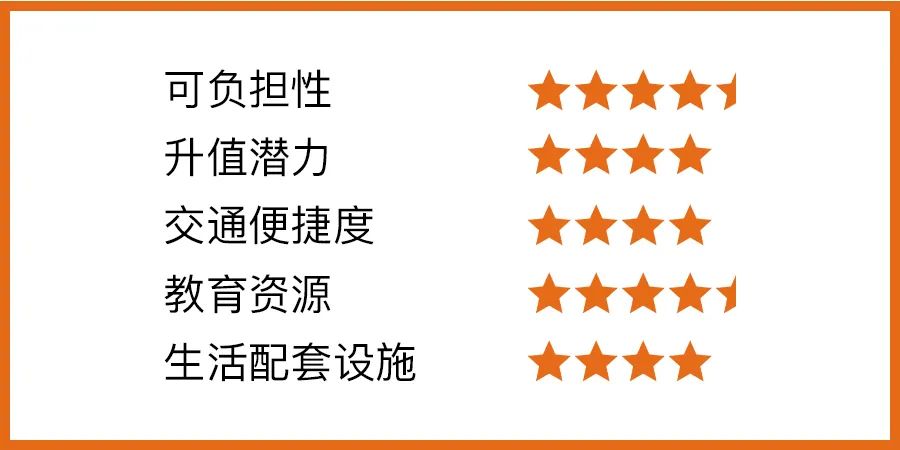
YIJU: On a scale of up to five stars, please rate Pukekohe's development.
Images supplied by: Barfoot & Thompson