

A recent media survey of construction companies found that enquiries about building new homes had fallen by 70% to 80% amid property market concerns over rising mortgage rates and falling house prices. This has sparked fears that New Zealand's property market could revisit the severe downturn of 2009/2010.
{ad}
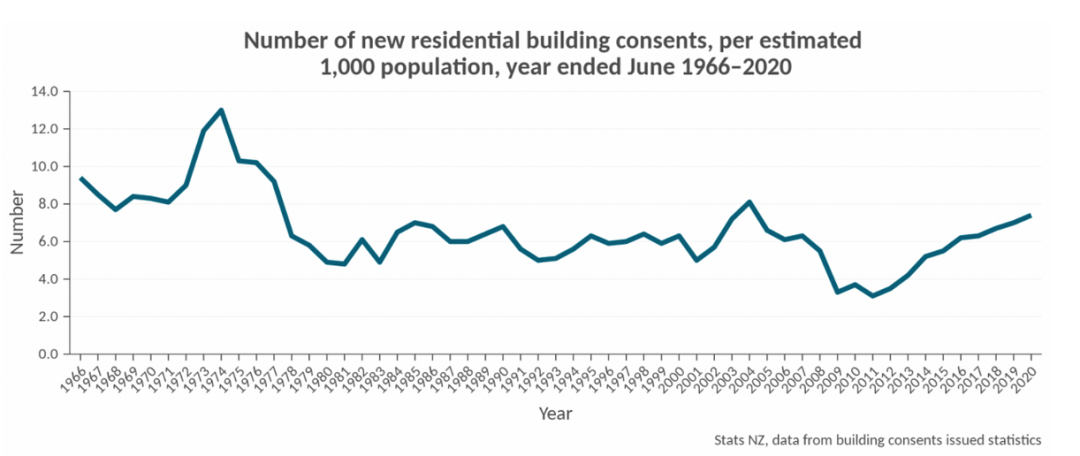
For many years, the property boom has driven New Zealand's economic pulse. Clearly, reforms intended to improve construction labour productivity through industry restructuring, technological advances and training have failed. Many people attribute this property downturn to builders' and developers' reluctance to employ skilled workers long term, train new apprentices or invest in scale, technology and systems, leaving them unable to build more homes efficiently and cheaply. Of course, it is not difficult to understand why these businesses hesitate to invest heavily in technology or devote more effort to training. Once an economic downturn arrives, projects are shelved and trained tradespeople leave New Zealand to work in Australia... History seems to have given us the answer. After the global financial crisis of 2009/2010, New Zealand's construction industry also collapsed. Newly trained building apprentices and industry newcomers left the country, drawn into construction and mining work in Australia by its booming economy and high wages from 2010 to 2012.
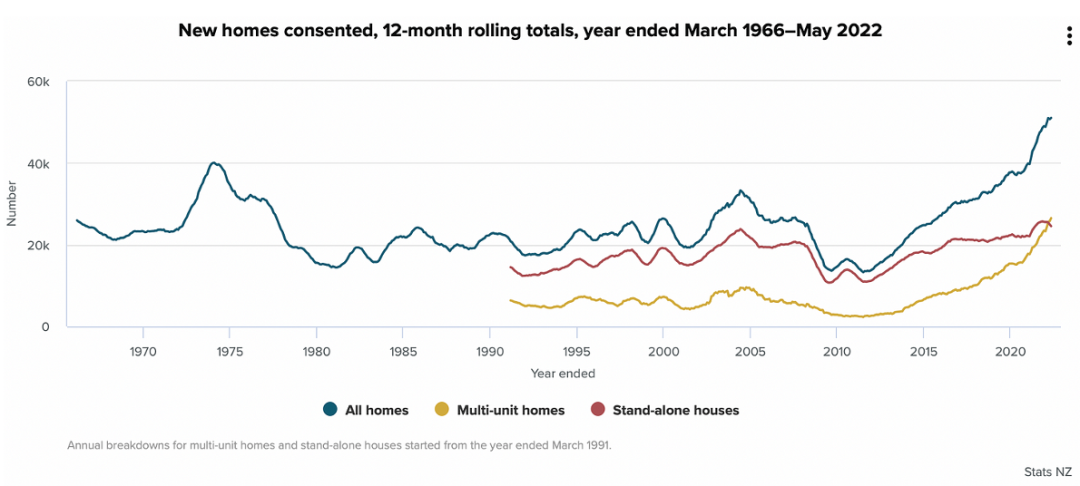
Over the decade from 2010 to 2020, we saw New Zealand's property and construction industries flourish, and hoped that prosperity would continue. Countless construction businesses gradually grew larger and stronger, while the government introduced supportive policies: Kāinga Ora and KiwiBuild provided strong demand for new homes, and builders were encouraged to undertake more complex medium- and high-density residential projects.
Is a severe market downturn approaching?
Business confidence surveys released by NZIER and ANZ earlier this year already showed a collapse in confidence in construction. In fact, the era of easy lending and low interest rates ended in November last year. House prices have also fallen from their peak, greatly reducing investors' incentive to keep investing in property. This Wednesday, the mainstream English-language New Zealand Herald reported that its interviews with construction companies of various sizes found home-building enquiries had fallen by 70% to 80% in recent months.
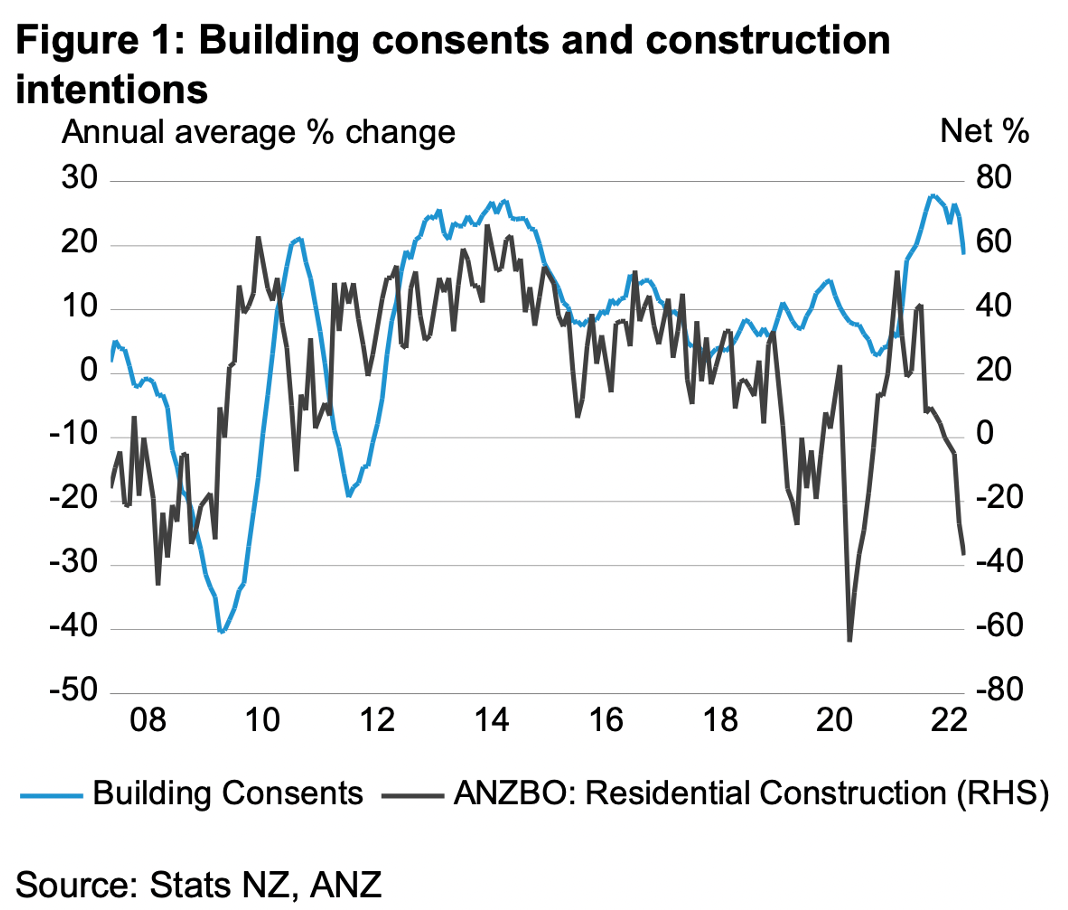
Master Builders national vice-president Johnny Calley said nationwide property sales data showed public interest in and demand for home building had fallen by 70% to 80% over the past six months. This was a staggering figure and a huge disaster for the industry.
Classic Group director Peter Cooney, who has experienced four property boom-and-bust cycles, said tighter credit policies and uncertainty about interest rate movements had pushed their sales back to 2008 levels. Last year's sales had left them with a substantial pipeline of scheduled work, but the situation could be entirely different in six months, when the construction industry would face its greatest crisis. He believes the property downturn will last until mortgage rates begin falling, when inflation is under control.
While others blame rapidly rising interest rates and still-high house prices, Venture development company director Mark Fraser-Jones believes the market's greatest uncertainty is how long this downturn will take to improve. The biggest challenge will be bringing house prices back to levels people can afford.
Meanwhile, New Zealand Certified Builders chief executive Malcolm Fleming revealed that members still had 12 to 24 months of building work in their pipelines. Housing Minister Megan Woods said she was consulting the sector on the issue.
The government's response to the market
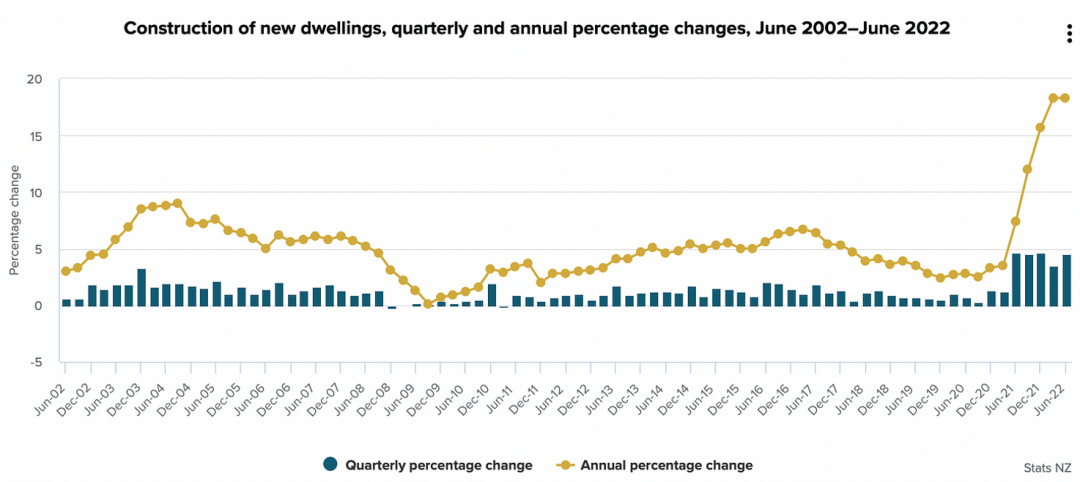
A recent BusinessDesk report, citing leaked internal documents, said Kāinga Ora, New Zealand's government public housing programme, had halted new recruitment and construction project plans over concerns about soaring construction costs and a potential long-term debt crisis caused by higher borrowing rates. This means government public housing projects providing strong demand, and the dream of encouraging builders to construct more medium- and high-density homes, could be cut short almost as soon as they begin. At present, the government's target of guaranteeing purchases of 15,000 affordable medium- and high-density homes each year remains a long way off. Meanwhile, an inability to cope with surging demand for new homes, alongside a failure to improve productivity, has also fuelled soaring construction costs. The chart below shows the increase in home-building costs within CPI data.
The current market is not as bad as we think
Given the property's market's recent sluggish performance, many believe that once house prices fall far enough, a sustained period of rising prices will follow. Well-known independent New Zealand economist Tony Alexander takes a different view. He says growth will return when the fall in house prices ends, but it will be neither as frenzied as in the past seven years nor as concentrated in particular areas.

Well-known independent economist Tony Alexander
Results from Tony Alexander's recent monthly survey of residential property investors with Crockers Property Management suggest current market conditions are helping ease tensions over rents between tenants and landlords. He found that landlords were having the greatest difficulty in a year finding good tenants. They were becoming less willing to raise rents, and those who did were securing smaller average increases. In fact, the survey also showed a decline in investors' intentions to sell properties.
His monthly survey of mortgage advisers with mortgages.co.nz found investors were showing greater interest in buying property, a sign not seen for some time. Some advisers noted that their investor clients were watching political polls. If the polls suggested National could win next year, they would buy more properties in anticipation of mortgage interest becoming deductible against rental income again and the bright-line test being shortened to just two years.
Coincidentally, his latest monthly survey of real estate agents with REINZ also showed signs of renewed investor activity. The proportion of respondents reporting investor interest in cheaper investment properties rose from 34% at the start of this year to 45% now, the highest level in almost two years. Tony explained that some investors' growing interest in relatively inexpensive properties reflected valuable experience gained through boom-and-bust property cycles. As more first-home buyers struggle to pass interest rate stress tests, raise a 20% deposit or meet CCCFA lending requirements, investors have a stronger competitive position in the entry-level property market. He also said there was no wave of investors returning to the market yet, and activity remained subdued. But despite high inflation, mortgage rates appeared to have peaked, and rising house prices once the gloom lifted could not be ruled out!
So what will next encourage investors back into the market? Will it be data released in mid-October showing a fall in second-quarter inflation? Or mortgage rate cuts beginning in 2023? Share your views and predictions in the comments at the end of this article.