
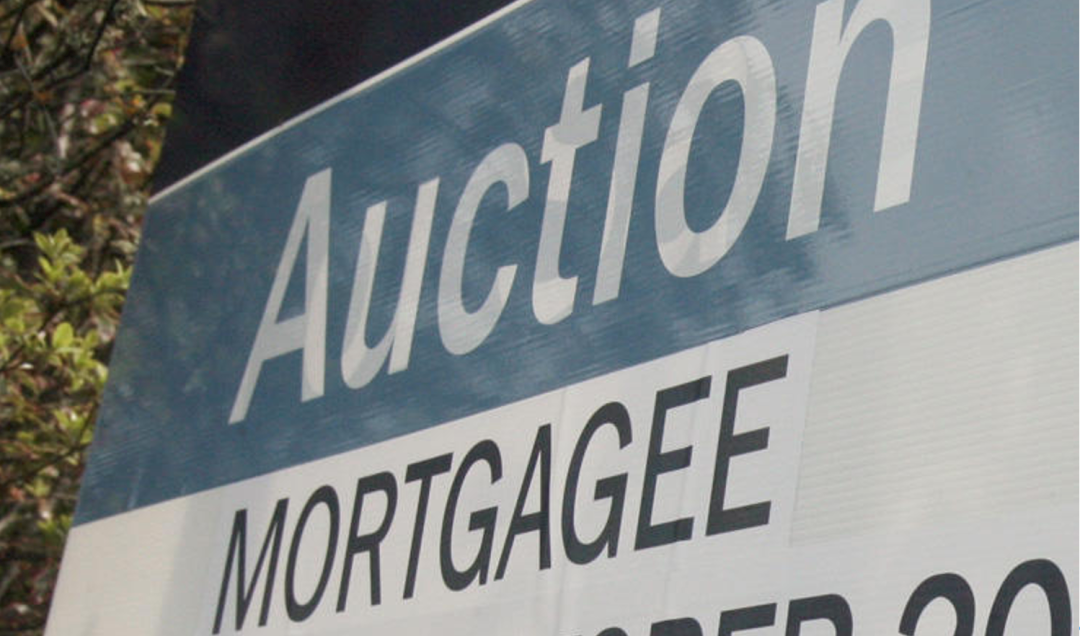
The Reserve Bank of New Zealand raised the Official Cash Rate (OCR) to 3% last week and reiterated its forecast of a peak of around 4% in this cycle. The Bank also forecast further falls in New Zealand house prices over the next 9–12 months, bringing them back to “sustainable levels”. Given the challenging market conditions, it is difficult to see house price declines ending by the close of this year. Mortgage rates have already risen substantially, leaving borrowers facing an even tougher situation. Properties are already being listed for mortgagee sale across the country, and some real estate agents warn that some borrowers will struggle with repayments, leading to forced sales in the near future. Others in the market take the opposite view. They believe that abandoning repayments after falling into negative equity and being unable to afford a mortgage is a last resort. For now, most people will still do whatever it takes to keep their properties.
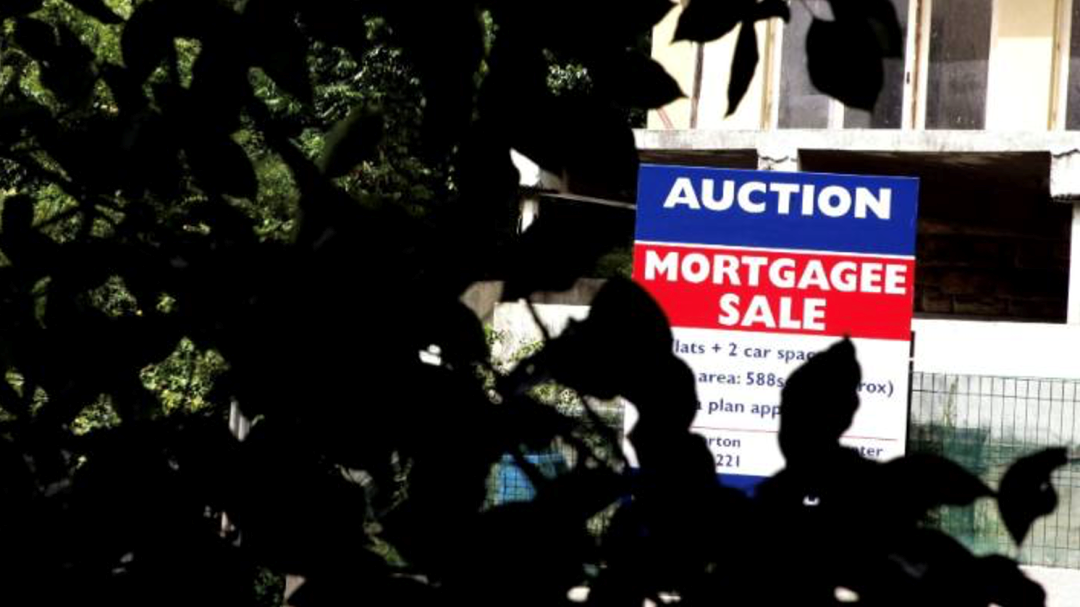
According to OneRoof property data, the number of properties listed for mortgagee sale surged 15% between the first and second quarters of this year. However, the number of mortgaged properties actually forced onto the market remained very low, representing only a small proportion of all properties listed for mortgagee sale this year.
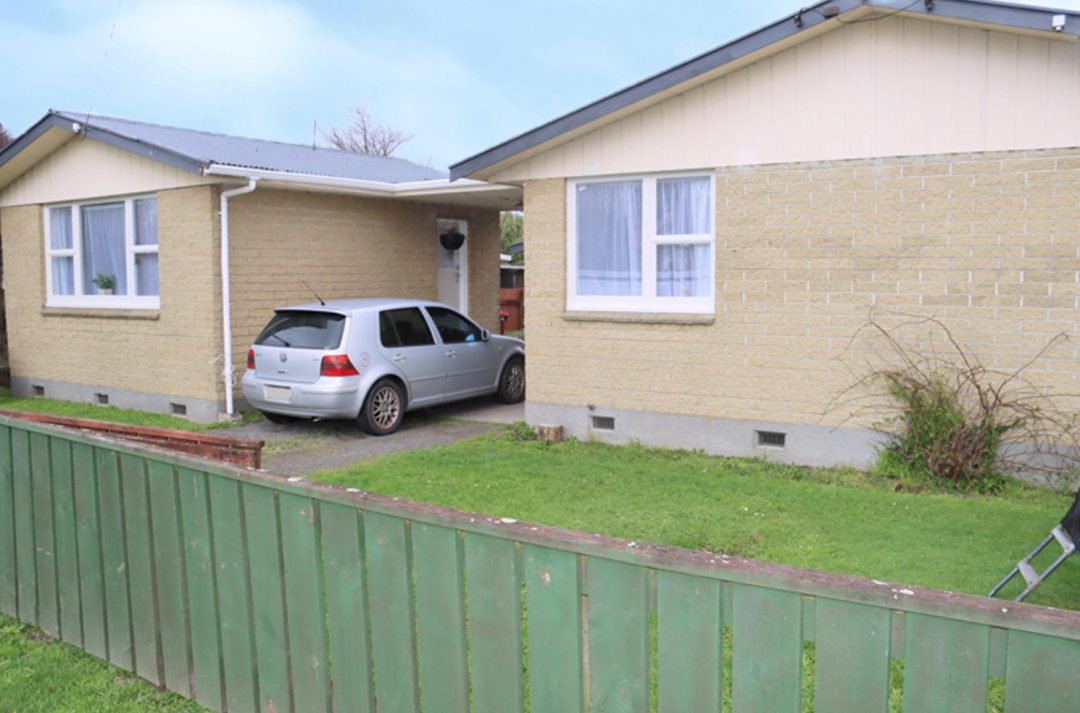
Mark Fitzgerald of Harcourts has a single-storey brick-and-tile home listed for mortgagee sale in Auckland's Papatoetoe. Fitzgerald says the sale is unrelated to current economic conditions, although he does not rule out the possibility that it signals what lies ahead. There is no doubt that current mortgagee sales will be reflected in more property sales, but they have yet to arrive in large numbers. Forcing a mortgaged property onto the market takes time, and the whole process can take up to 6 months. Banks and non-bank lenders will also work to find a way forward for owners and avoid a forced sale wherever possible. Undeniably, some people are currently having trouble refinancing. When they refix their mortgage rates, they will find their repayment burden considerably higher than when rates were at historic lows.
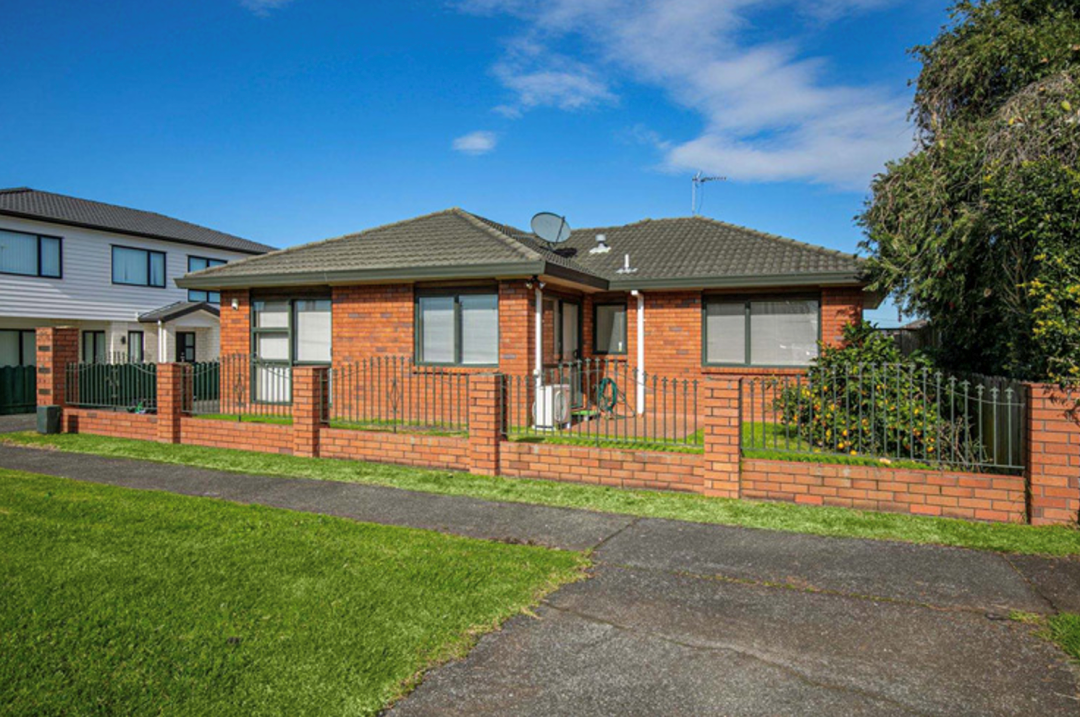
The three-bedroom brick-and-tile home at 1/35 Avis Ave, Papatoetoe, Auckland, will be auctioned on 1 September. It is listed on OneRoof as a mortgagee sale.
Fitzgerald says that under the current CCCFA framework, banks may be unable to lend enough, or as much as before, to refinance borrowers who bought properties when interest rates were 2.5%. In his view, if these investors cannot refinance through a bank, their only option is to borrow from non-bank lenders. Rates could realistically jump from 2.5% to 7%, 8% or 9%, putting their finances under strain. Mortgagee sales in the past were usually isolated cases involving homeowners whose reduced incomes affected their ability to service their mortgages. Now, the issue is more often the substantial repayment pressure that high interest rates place on most borrowers. Rising rates may be the final straw, but that does not mean a sale will happen immediately; it is a lengthy process.
{ad}
Unexpectedly, Harcourts also has a property listed for mortgagee sale in Tauranga, in the highly sought-after Mt Maunganui area. Agent Ben Cantley says he cannot specify why the renovated five-bedroom home in a prime location has ended up on the mortgagee sale list. However, he believes a bank's request for a valuation may simply be to establish a property's current market value and does not necessarily indicate financial trouble. Although mortgagee sales attract considerable market attention, Cantley says buyers should not assume a property will sell well below market value simply because it is a forced sale. Competitive bidding can sometimes push the price higher. As with any property sale, the ultimate aim is to achieve the best possible result.
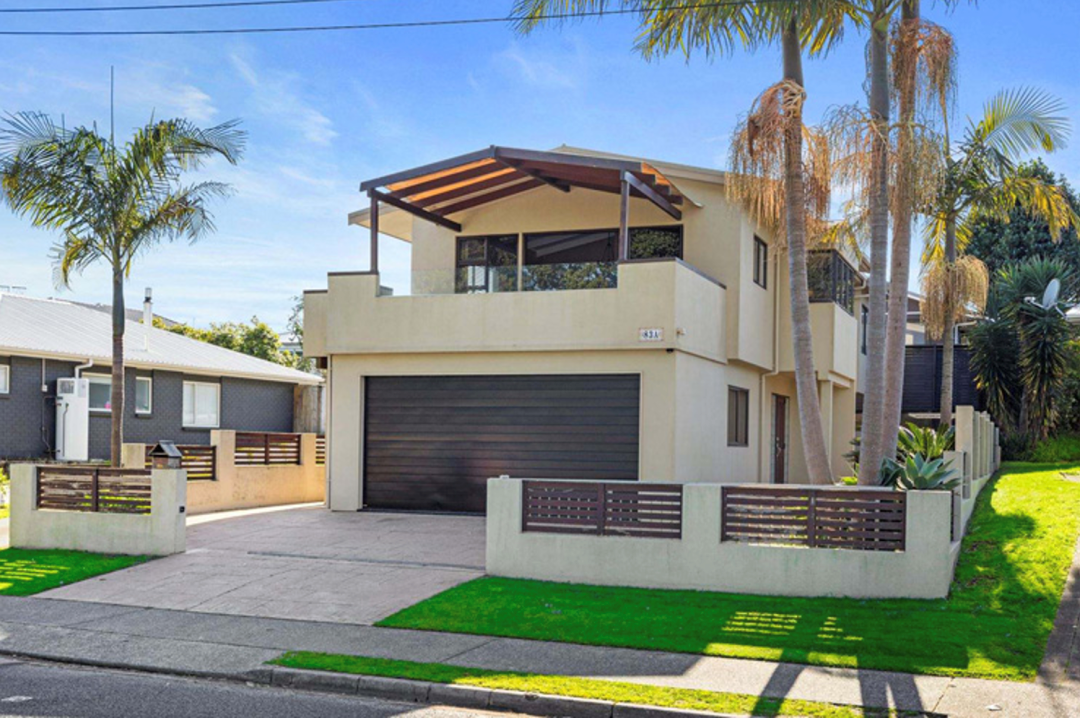
The five-bedroom home at 83A Ranch Road, Mt Maunganui, Tauranga, is advertised as a mortgagee sale.
In South Wairarapa in the North Island, Andy Scott, head of real estate company Patrick & Scott Ltd/Professionals, is also marketing a four-bedroom property as a mortgagee sale. Scott says he does not know why it has become a mortgagee sale, but the property, which has a studio with separate access, is well suited to investors. It currently has a very good tenant on a fixed-term tenancy running until May next year.
A four-bedroom mortgagee sale property at 74 Brandon Street, Featherston, in South Wairarapa
Scott says he has heard of homeowners struggling with mortgage repayments, but expects that more mortgagee sales may not reach the market until next year. Owners have different financial circumstances. If problems arise in their lives, they suddenly need a valuation and find it comes in below their original purchase price, the property could well become a mortgagee sale. This is a relatively lengthy process, usually taking several months.
In Wellington, where house prices have already fallen substantially, Tommys director Nicki Cruickshank says she has yet to see signs of mortgagee sales reaching the market, and hopes she will not. She believes the issue may be overhyped. Although borrowers are under considerable pressure, she has not seen mortgagee sales emerge, as banks have been stress-testing borrowers. Many people learnt lessons from the global financial crisis, and almost everyone would be willing to sacrifice their lifestyle to keep their property. Cruickshank says she is unsure whether borrowers' finances will deteriorate further. However, as long as banks want to attract mortgage customers, they will consider keeping rates relatively low. Some banks began lowering rates last week, suggesting that OCR increases may have a limited effect on mortgage rates.

Ray White's chief operating officer, Daniel Coulson
Ray White chief operating officer Daniel Coulson does not expect large numbers of mortgagee sales. He says that as of last Wednesday, only 6 of the company's more than 4500 listings were mortgagee sales. He agrees that banks have been finding ways to help borrowers through rising interest rates and have been stress-testing them at higher rates. In his view, borrowers who choose to move to a smaller property will also reduce the size of their mortgage, giving them more options when refinancing.
Property research firm CoreLogic's latest Pain and Gain report notes that although some investors may recently have reassessed their ability to meet repayments, there has been no flood of mortgagee sale listings. However, the mortgage affordability of first-home buyers who purchased in the final quarter of last year, when prices were at their peak, warrants attention.

Property research firm CoreLogic's Pain and Gain report
CoreLogic chief property economist Kelvin Davidson predicts that, assuming these first-home buyers paid a 20% deposit and have not repaid any principal, falling house prices could leave more than 500 of them in negative equity. He expects New Zealand house prices are likely to fall further over the coming months, with housing sales figures weakening further in the second half of 2022 and in 2023. The good news, however, is that unemployment remains very low and the housing market is expected to recover at some point. The vast majority of borrowers will come through this downturn safely, although the experience may be painful, and large numbers of mortgagee sales are still unlikely to reach the market.
Disclaimer: The comments above are for reference only and do not represent YIJU's position.