
Experts have recently said falling house prices are not worrying New Zealanders as much as sharply rising living costs and inflation, because lower prices make homes more affordable. The latest survey data from the Real Estate Institute of New Zealand (REINZ) show prices have continued to fall since the property boom peaked in late 2021. Nationwide, prices are now at least 16.2% below their peak, with no sign that the decline will stop soon. The latest figures from property research firm CoreLogic show New Zealand house prices fell another 1% nationwide in February.
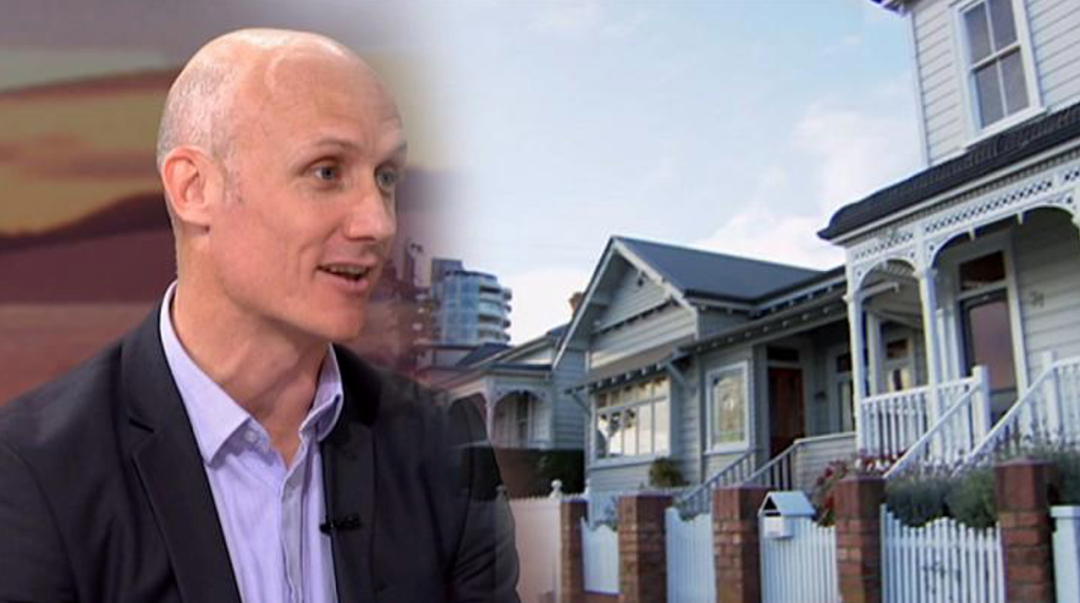
CoreLogic Head of research Nick Goodall predicts a future debt-to-income limit for home buyers of around 6 times income
The pace of the decline has inevitably left some people in the property market wondering: could house prices crash, as they did in the United States and Ireland during the global financial crisis of 98? Fortunately, New Zealand's housing market has so far continued to adjust in an orderly way despite fluctuations. Recent Stuff NowNext survey results show most people are relatively optimistic about falling house prices.
Survey of public views on falling house prices
{ad}
In this survey, 17% of respondents were concerned about falling house prices, while 48% were neutral and the remaining 32% were optimistic. Optimism was particularly pronounced among the younger age groups, with 53% of those aged 18 to 24 and 43% of those aged 25 to 34 expressing positive views. In stark contrast, 83% and 76% of respondents were concerned about sharp increases in living costs and inflation respectively. When asked whether rising interest rates worried them, around 12% were optimistic, 32% were neutral and 55% were pessimistic.
Valocity's head of valuations, James Wilson, said the valuers and banks he worked with reported market sentiment similar to the survey findings. He believes first-home buyers seeking an opportunity to enter the market are the most positive about falling prices. Their parents also strongly support lower house prices: as an older group, they are satisfied with their financial position and assets, and hope the next generation can achieve the same home ownership goals.
Why are falling house prices no longer a cause for concern?
Infometrics Chief economist Brad Olsen says affordability remains a problem despite falling house prices
Infometrics chief economist Brad Olsen said views on falling house prices had changed significantly in recent years. Just five years ago, people generally regarded rising house prices as a good thing, but that view has quietly shifted. Opinion polls show increasing numbers want prices to return to a reasonable level.
He believes some property owners may not want prices to fall, but more people are recognising the market's affordability “imbalance” and what it means for the next generation when they consider buying a home. Olsen said individual home ownership among New Zealanders was at its lowest level in nearly 70 years. The coronavirus outbreaks in 2020 and 2021 fuelled an unprecedented market boom, pushing prices far beyond expectations. Many people have seen the extremely damaging effects of high house prices on social and economic development.
The recent decline may be New Zealand's largest in decades, but current prices remain well above pre-pandemic levels. This means many homeowners can withstand the fall. For first-home buyers, meanwhile, affordability remains a problem.
Have falling prices made homes more affordable for first-home buyers?
AdviceHQ head David Green said first-home buyers certainly viewed falling prices as a positive market signal, giving them a lower entry price. However, he also said mortgage test rates had risen by around 50% over the past 12 to 18 months as the Reserve Bank of New Zealand's cash rate increased, meaning buyers' borrowing capacity had changed little. Compared with two years ago, falling prices have created a more balanced market, prompting people to enter with greater caution. More properties to choose from and less competition give buyers more time to obtain building reports and arrange finance, which is good for them. At the same time, lower prices do not necessarily boost first-home buyers' confidence, because mortgage test rates have risen, loans have become much harder to secure and mortgage repayments cost more.
Recent CoreLogic analysis shows that falling house prices are putting increasing numbers of first-home buyers across the country at risk of negative equity.
James Wilson said homeowners who bought in the past two or three years could not regard falling prices as good news. Many first-home buyers who purchased at the market peak with small deposits will be worried about their finances. Similarly, investors who bought recently are feeling pressure from higher mortgage interest costs, although rising rents have helped their investment returns to some extent.
Ed McKnight, an economist at property investment firm Opes Partners, said falling house prices were nothing to fear; what mattered was understanding the cyclical nature of the property market. Prices might fall further, but buyers needed to understand that, as part of the market cycle, a broad recovery in the property sector could begin once prices bottomed out and rebounded. He believes that even those currently in negative equity should hold on and wait for prices to rise again, provided they can afford their mortgage repayments. For buyers who are currently in a position to purchase, the quiet market offers more investment opportunities, and they should not readily pass up these rare openings.