

Today, BNZ raised its home loan rates—
The 6-month mortgage rate rose from 7.25% to 7.39%, while the four-year and five-year rates rose from 6.29% to 6.49%.
The standard 6-month rate rose from 7.85% to 7.99%, while the standard four-year and five-year rates rose from 6.89% to 7.09%.
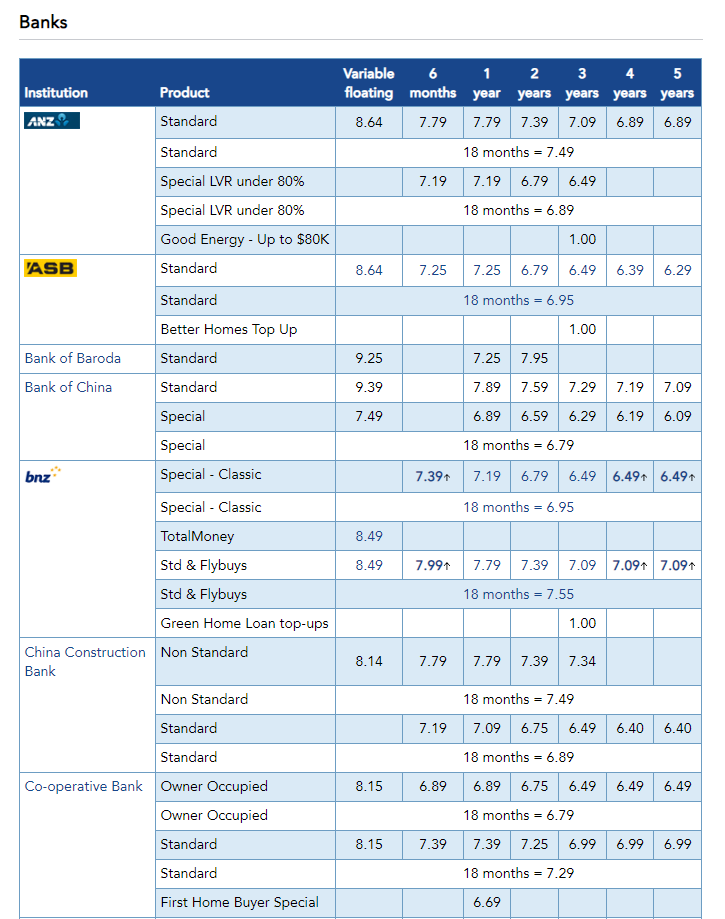
Although the Reserve Bank of New Zealand recently announced that it would hold the cash rate at 5.5%, mortgage rates at the major commercial banks have unfortunately continued to soar over the past month. More borrowers face the prospect of refixing at higher rates in the coming months, leaving them with repayment pressures several times greater than two years ago.
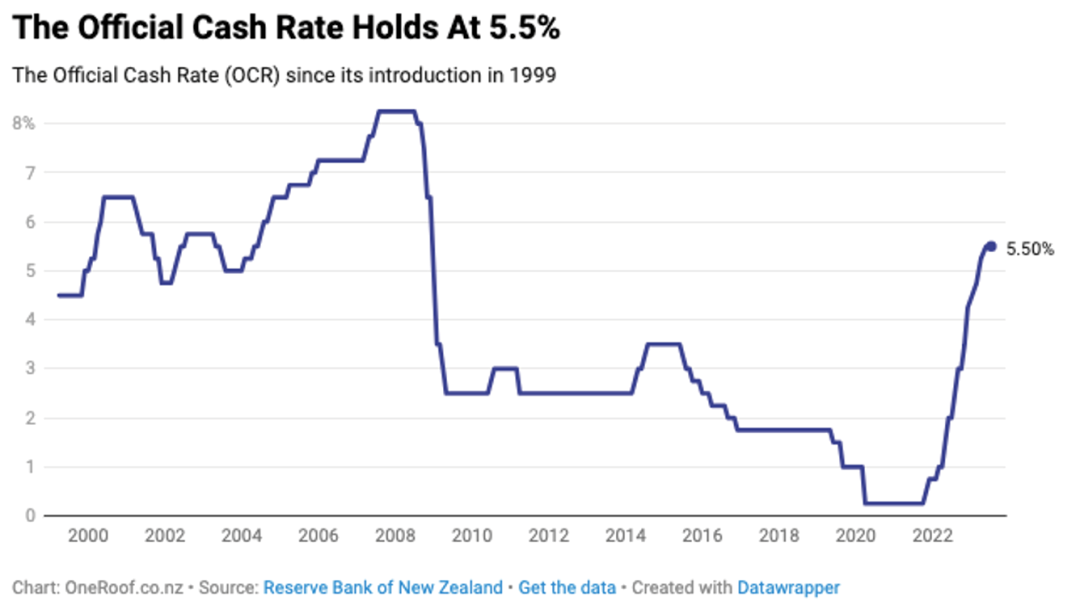
1999 to the present: New Zealand cash rate trends (Source: Reserve Bank of New Zealand)
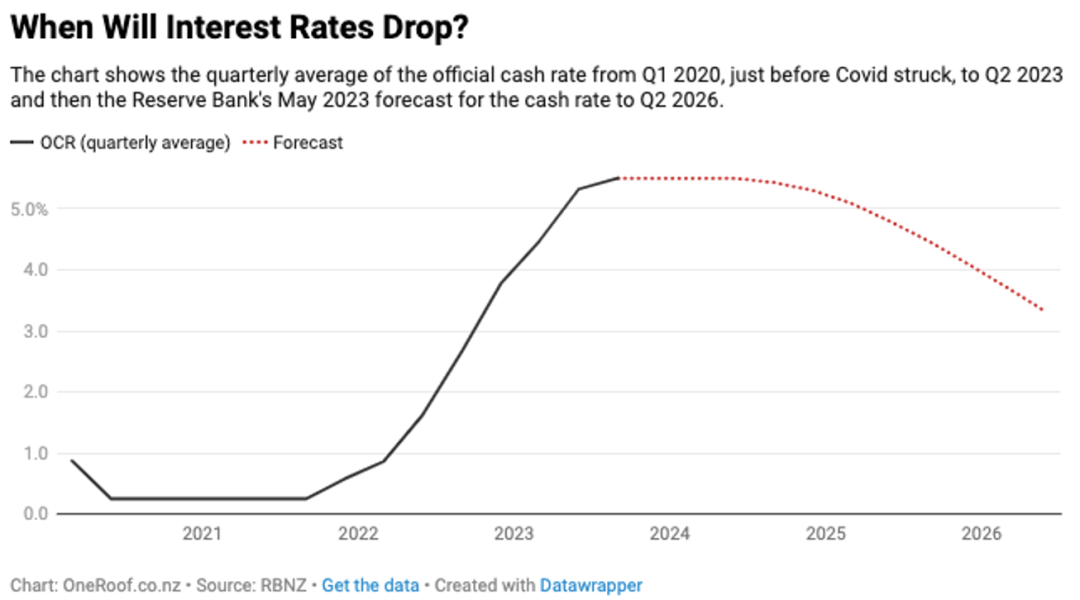
New Zealand cash rate forecasts (Source: Reserve Bank of New Zealand)
The latest Reserve Bank of New Zealand data shows that the average standard floating mortgage rate for new housing loans is 8.45%, while the one-year fixed rate is 7.35%, the two-year rate is 7.15% and the three-year rate is 6.7%. By comparison, the average two-year fixed mortgage rate in July 2021 was just 2.8%, and the average three-year fixed rate in July 2020 was only 2.86%. Interest rates have changed fundamentally compared with two years ago.
If borrowers have to accept a new mortgage rate of 7%, how can they ease the substantial repayment pressure this brings? Mortgage advisers suggest a range of measures, such as: Restructuring the loan, splitting the mortgage across different fixed terms and, in some cases, refinancing with another bank.
Neville Modlin, a mortgage adviser at The Lending Team, said one-year rates breaking through 7% were a significant shock for borrowers, potentially leaving many unable to eat or sleep properly. For example, someone with a NZ$500,000 mortgage over 25 years would see monthly repayments jump from NZ$2300 to NZ$3500 if their rate rose from 3% to 7%. That is an extra NZ$1200 each month. He said many borrowers had applied directly to their bank when first taking out their mortgage. They were frightened when the bank wrote to them 60 days before their loan term expired to advise them of the new repayment amount. Most did not know how they would afford such a large increase in interest costs.
{ad}
Modlin said around 70% of his clients currently accepted their bank's new rate, while the remaining 30% considered refinancing with another bank to secure a better rate. Banks were not proactive with existing customers, but would go all out to win new ones, potentially offering 1% cashback and other incentives.
He recommended that ordinary clients on fixed salaries and limited budgets choose fixed mortgage terms of 2 or 3 years, as he firmly believed rates would not fall in the short term. Unfortunately, not everyone was willing to take that advice. Some clients insisted rates would fall next year and were determined to fix their entire mortgage for one year.
Although restructuring a mortgage can be an effective way to ease repayment pressure, Modlin had not advised his clients to extend their loan terms from 25 to 30 years. While this could reduce repayments, it would increase interest costs over the longer term. He said it was difficult to justify extending the repayment term as the most reasonable option when clients had not cut spending on things such as Netflix, Spotify, the Disney Channel and takeaway meals. Every week, he saw borrowers who were “unable to sleep at night” but unwilling to change their spending habits to tackle the problem.
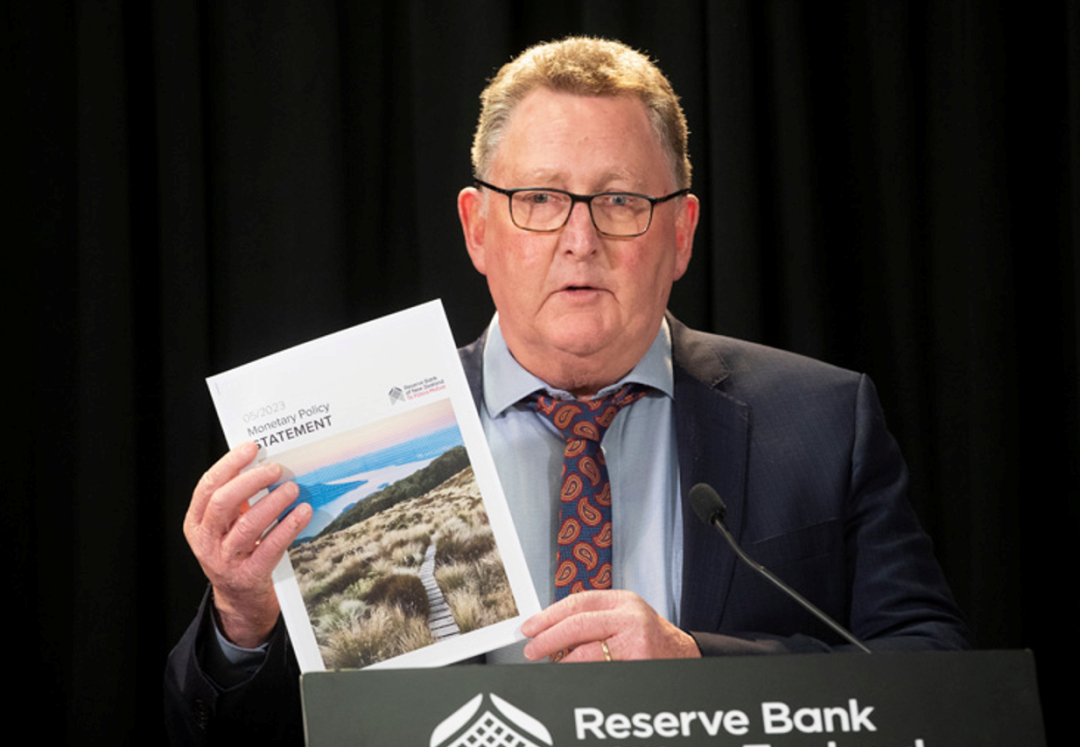
Reserve Bank of New Zealand Governor Adiran Orr said in May that there was still a long way to go before interest rates could fall
Modlin stressed that his first priority in reducing borrowers' debts was to close their After Pay accounts and cancel their Gem Visa credit cards. Taking Gem Visa as an example, he said its fees appeared to be 0%, but a review of spending records revealed that cardholders were paying charges of 29%.
Jarrod Kirkland, national mortgage manager at The Mortgage Lab, had also received calls from clients who were very confident they could predict future mortgage rates. Many wanted to choose a floating mortgage temporarily, believing rates were about to fall. He said many clients instinctively believed the market would adjust faster than experts suggested, so they were set on floating rates. For these clients, Kirkland tried to encourage fixing for 6 or 12 months. He also advised clients less able to withstand risk to split their loans across several different fixed terms over the next two or three years, helping ensure a sudden rate rise would not leave them facing unaffordable repayments.
Kirkland said there was a common misconception that mortgage advisers could always access secret rates unavailable to the public. In reality, anyone could ask a bank for a better rate. Mortgage advisers simply had a better understanding than ordinary customers of how low a bank might be willing to go.

Campbell Hastie, a mortgage adviser at Hastie Mortgages, said most clients' mortgages were usually split across two or three fixed terms. The fixed portions were generally of equal size, with different rates and terms, spreading risk through what is known as a hedging strategy. He had consistently recommended this approach to reduce clients' risk. Hastie explained that he would suggest splitting a loan into three portions, with one on a floating rate—for example, NZ$50,000. This would allow borrowers to pay off that smaller portion if they had spare cash or received a performance bonus.
Hastie said a major problem he had encountered recently was clients finding mortgage rates had continued to rise while they waited for banks to offer better deals. People holding out for a 0.1% discount could end up paying more, because rates might have risen again before they realised it. He advised mortgage holders to take a good offer when it was available and act before rates rose again. Like other advisers, Hastie also urged clients who believed they could predict next year's mortgage rates not to become too attached to their forecasts. Even professionals earning hundreds of thousands of dollars a year could get interest rate predictions wrong. He encouraged these clients to fix part of their mortgage for longer than they had initially requested. Many people also followed the crowd, assuming that hearsay about rates falling in a year's time was enough to determine what they believed was the “right” fixed term.