
 Reserve Bank Governor Adrian Orr announced that the OCR would remain at 5.5% and said he expected it to rise next year. This surprised financial markets and delivered a strong rebuke to expectations of an OCR cut.
The Reserve Bank said that although higher interest rates were restraining consumer spending and inflation was trending down, inflation remained too high, and these conditions required the OCR to remain at its current level for an extended period. Orr even warned that the OCR might have to rise again if inflationary pressures intensified.
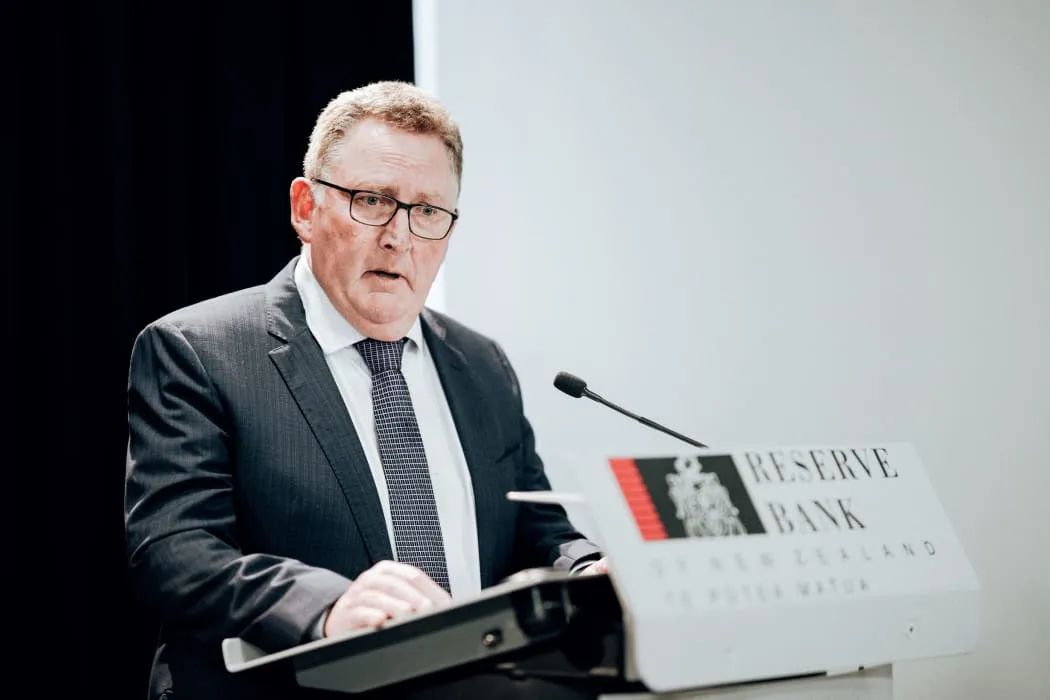 Reserve Bank of New Zealand Governor Adrian Orr struck a somewhat hawkish tone in his remarks yesterday.
Westpac is currently the only bank forecasting another OCR increase. Meanwhile, the Reserve Bank has also raised its OCR forecast, expecting it to remain below its current level for most of next year, while leaving open the possibility of another increase.
Orr said markets expected interest rates to have peaked for this cycle and monetary conditions to ease next year, with hopes that the OCR would lead the way down. However, the OCR’s path is largely determined by numerous international factors, and he has consistently believed it would remain at least above its current level through 2024. The Monetary Policy Committee also noted that some of the tightening already under way had yet to take effect. It expected the average mortgage rate paid by existing borrowers to rise by another percentage point over the next 12 months as people refixed at higher rates. Meanwhile, the Reserve Bank also revised its house price forecast upwards, predicting stronger growth than in its August forecast.

BNZ chief economist Mike Jones said markets had already begun considering how the OCR would be cut next year, but had not anticipated the Reserve Bank taking the opposite approach and adopting such a firm stance against cuts. He said the Bank had also deliberately played down some positive news on inflation and the labour market. This might be because it had been taken aback by the impact of rising net migration on rents, house prices and housing demand, prompting so many hawkish comments.
Infometrics chief executive Brad Olsen said the Reserve Bank’s comments indirectly reflected a clear upward trend in house price data. Prices were not necessarily rising rapidly, but were probably rising faster than the Bank had expected, raising the possibility of further interest rate increases. In his view, if expected house price growth accelerated, the Bank would have to consider how much impact monetary policy was having on the wider economy.

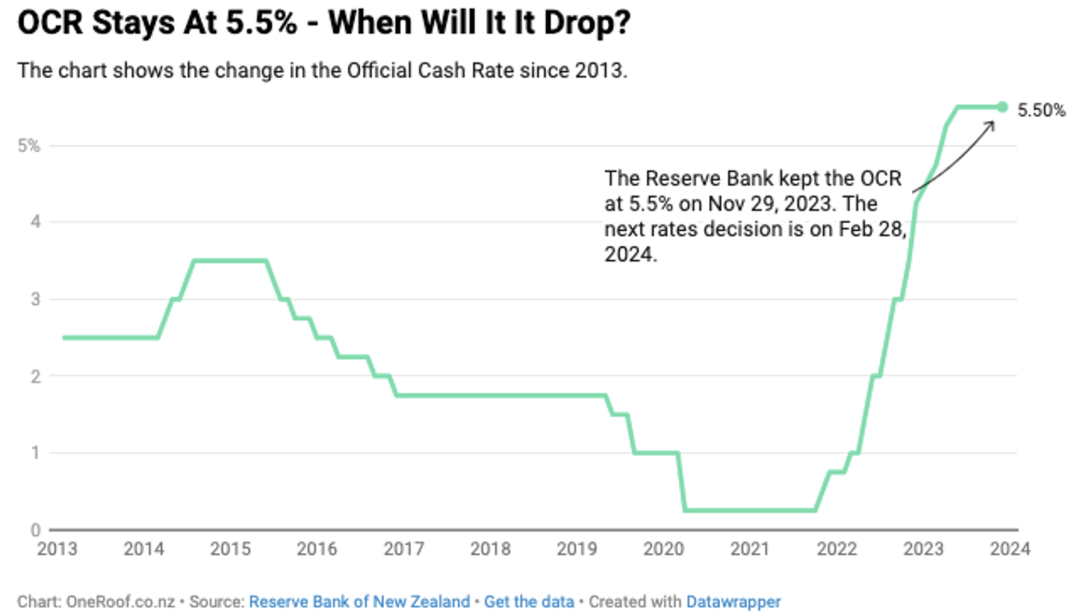
OCR trends since 2013 (Source: Reserve Bank of New Zealand)
Prominent independent New Zealand economist Tony Alexander’s latest answer to this question is no. He believes there are several reasons. First, before the Treasury considers implementing the new government’s economic policies, the Reserve Bank has adopted the most logical position: a slightly tighter stance that will help monetary policy slow the growth of economic activity. Second, the Bank believes El Niño will not adversely affect agricultural income. Third, continued high net migration inflows are likely to slow wage growth.
Alexander predicts that, for now, persistently high mortgage rates will continue to constrain home buyers. This constraint is evident in his latest survey of real estate agents, which is currently under way. However, he believes investor demand will pick up as the restoration of full interest deductibility is accelerated.
Meanwhile, rising costs such as home insurance, maintenance and council rates will also keep growth in investor demand for property slow. This is good news for young home buyers, as the opportunity to buy remains open. However, once there are signs of improvement in inflation, interest rates will begin to fall, and that window of opportunity could close quickly, although this will also depend on the debt-to-income rules due to be introduced at some stage next year.