


On 19 January 2023, while many people were still settling back in after their holidays, then New Zealand Prime Minister Jacinda Ardern suddenly announced she would resign as Labour leader and Prime Minister. She also announced that the election would be held on 14 October this year. Chris Hipkins took over as Labour leader, but it is difficult to say whether changing leaders in an election year affected Labour's electoral fortunes.
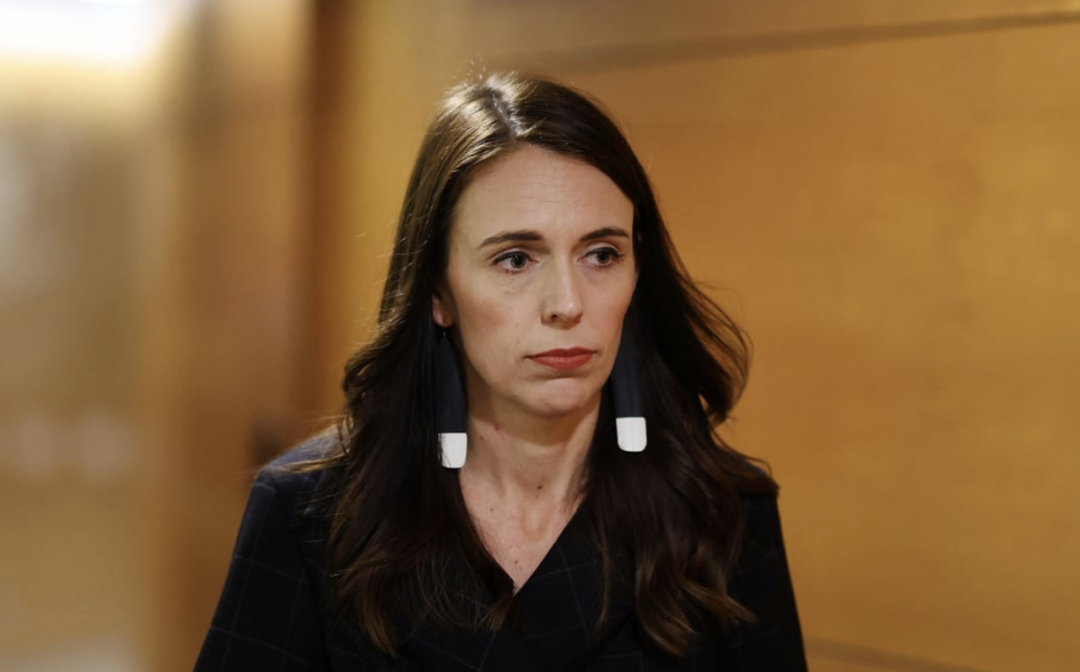
After Jacinda announced her resignation, lawyer Huo Jianqiang commented: 'Those on the left regard her as a deservedly world-class leader who made major contributions to poverty alleviation, environmental protection and other areas. But broader sections of society believe that, under her leadership, Labour's policies, particularly its economic policies, brought New Zealand's economy close to the brink of destruction.' He said this referred to the economic policies that had drawn the strongest reactions from businesses, including the Overseas Investment Act, the Employment Relations Act, minimum wage settings, a series of laws affecting property development, particularly rental market policies, and immigration policy.

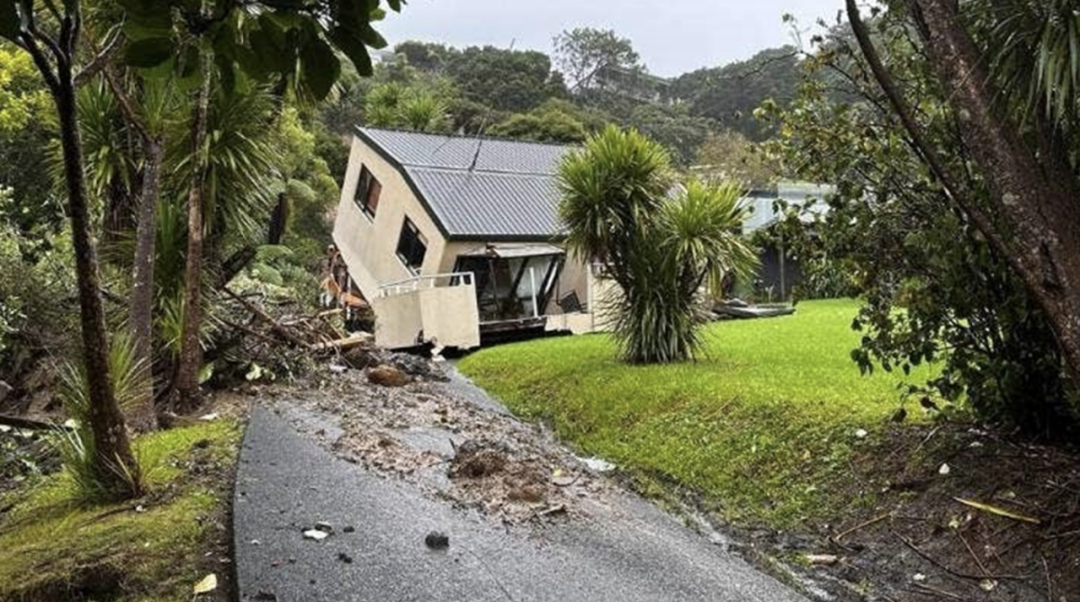
People in the North Island will never forget how, from late January, Auckland and parts of the North Island were hit by unprecedented heavy rain and flooding. Cyclone Gabrielle then swept across much of the North Island in February, causing widespread power outages, flooding, landslides, loss of life and property damage. Residents in many areas were urgently evacuated, and the New Zealand Government took the rare step of declaring a state of national emergency.

During the disaster, large numbers of homes were red- or yellow-stickered. Many households faced power outages, inundation, landslides and even the risk of their homes collapsing. This prompted questions: are some places simply unsuitable for housing? Can drainage and infrastructure keep pace with the housing market's development? ACT leader David Seymour wrote that Auckland needed to stop building homes in the wrong places.

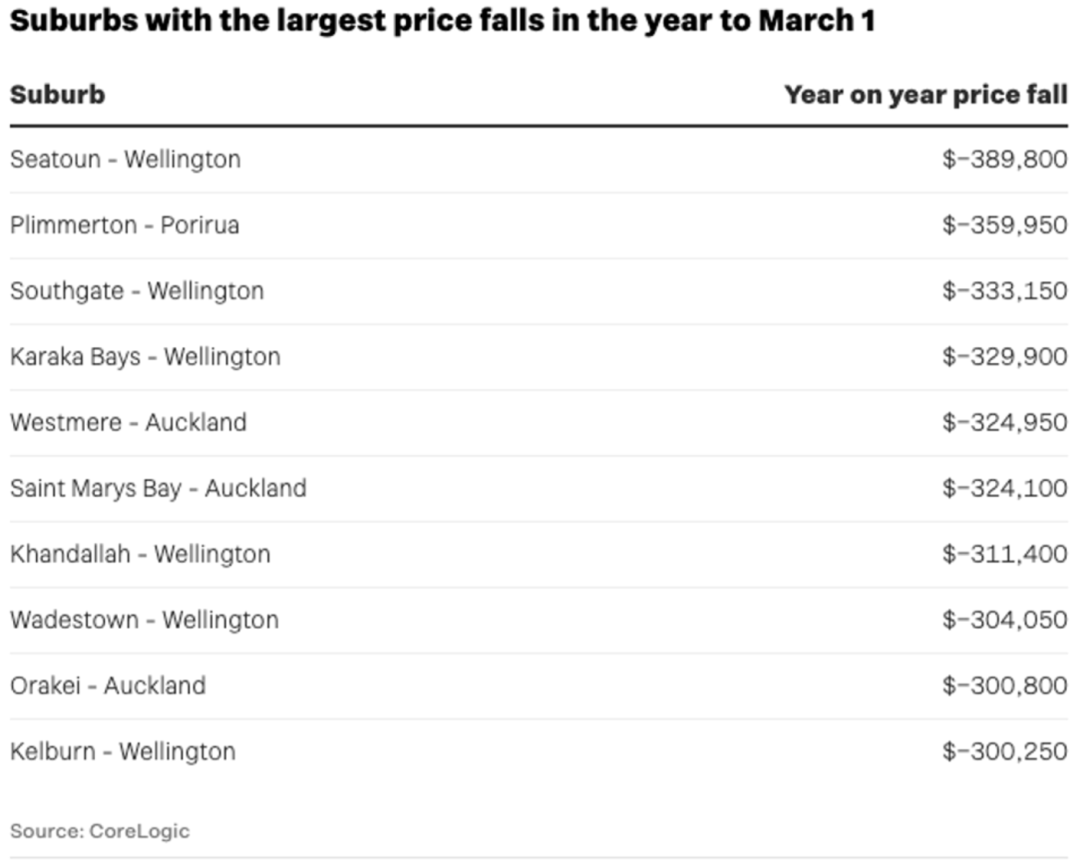
House prices also fell substantially in many parts of New Zealand during this period. Wellington, which recorded the largest decline, saw its median house price fall by NZ$389,800 in the year to 1 March 2023. Despite the substantial fall, overall house prices remained above their levels in the corresponding period before the pandemic.
CoreLogic chief property economist Kelvin Davidson said 10 suburbs across New Zealand had recorded house price falls of at least NZ$300,000, and most were classified as top-end luxury suburbs. More notably, the falls were not confined to the high end of the market: more than 1/3 of New Zealand's suburbs recorded double-digit house price declines last year.

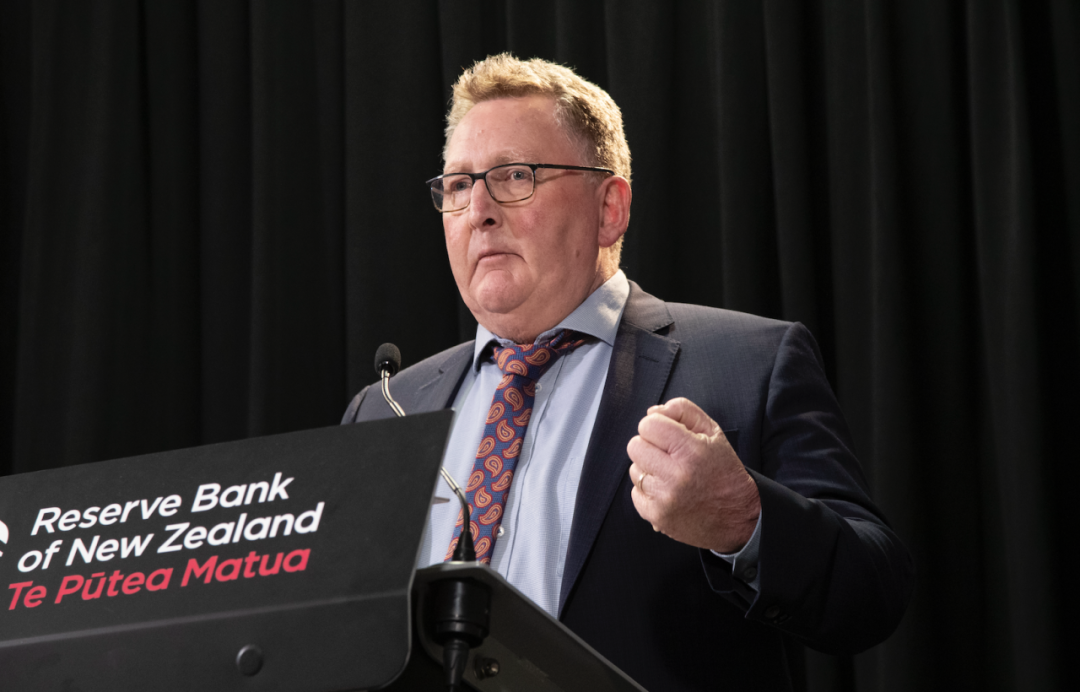 Reserve Bank of New Zealand Governor Adrian Orr
Throughout the year, the Reserve Bank of New Zealand continued raising interest rates, dealing a significant blow to buyer enthusiasm. On 5 April, the Reserve Bank of New Zealand announced an increase of 50 basis points in the Official Cash Rate (OCR), taking it to 5.25%. This was twice the increase many economists had expected. It was the bank's 11th consecutive rate rise, bringing the OCR to its highest level since December 2008. The bank said New Zealand's economic growth was slowing, recent severe weather in the North Island had pushed up prices for some goods and services, inflation remained persistently too high, and employment was above its maximum sustainable level. The Government required the bank to keep inflation between 1% and 3% over the medium term, and raising the OCR would help reduce inflation.
The OCR increase kept the market on a downward trajectory for the time being, while rising interest rates and credit restrictions would continue to constrain a recovery. Many potential buyers would refuse to purchase property with borrowing costs so high, while others continued to wait for the market to bottom out.

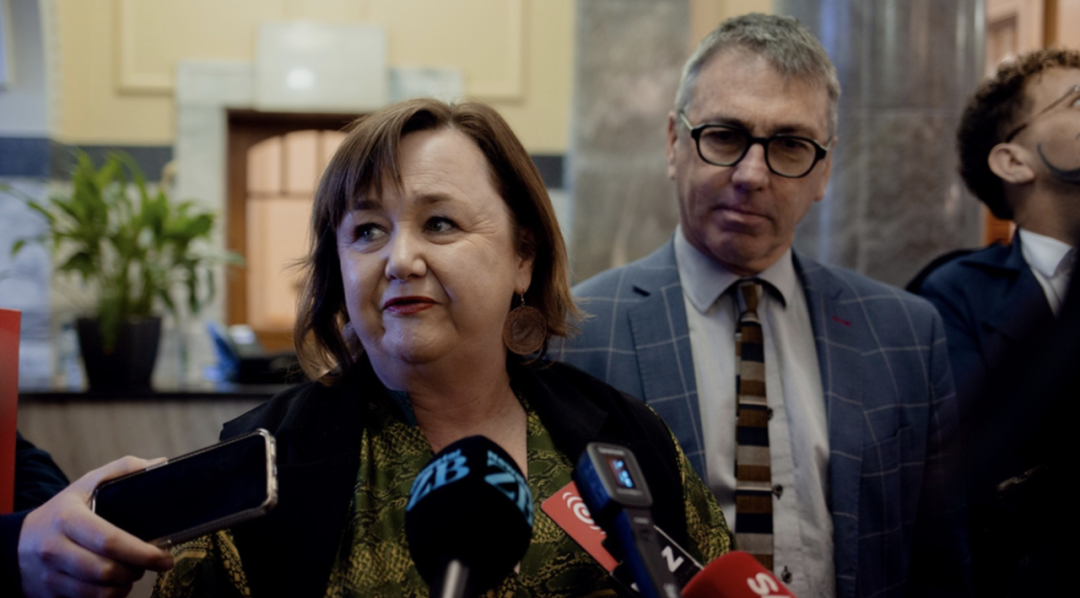 The then Minister for Building and Construction and Minister of Commerce
The Labour Government announced its latest Budget policies on 18 May. Of greatest interest to New Zealand's construction sector was its commitment to strengthen competition in the building materials market. The Government began monitoring and publicly releasing indicative prices for key building materials, and providing builders and councils with more guidance and assistance when deciding whether to introduce equivalent alternative materials. The Labour Government pledged to actively encourage government agencies to introduce building materials manufactured outside New Zealand, increasing their market share by at least 10% each year to improve construction productivity and competition in the building materials market.

From 1 June, the Reserve Bank formally eased its loan-to-value ratio (LVR) rules, sharply increasing the proportion of lending to investors with deposits of 35–40%. Under the rules, the share of banks' total lending permitted to owner-occupiers with LVRs above 80% was increased to 15%, from 10%. At the same time, commercial banks could allocate 5% of new mortgage lending to investor buyers with deposits below 35%, rather than the previous minimum deposit requirement of 40%.

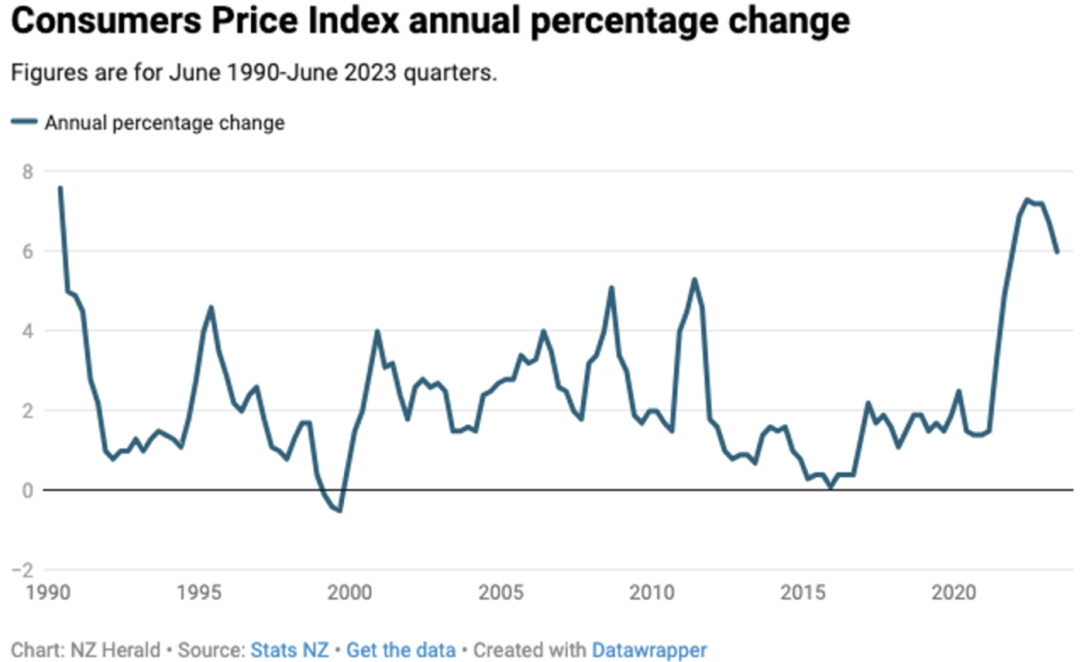 Changes in the CPI from 1990 to the present (source: Stats NZ)
On the morning of 19 July, Stats NZ released its much-anticipated latest Consumers Price Index (CPI) figures. Inflation in the second quarter of this year fell to 6.0%, from 6.7% in the previous quarter. Westpac senior economist Satish Ranchhod said the decline was modest, and some measures of core inflation had actually picked up in June, indicating that underlying price pressures remained. In other words, inflation was unlikely to return to the Reserve Bank of New Zealand's target range in the short term. ASB economist Kim Mundy shared this view, saying the Stats NZ figures did not show that the Reserve Bank of New Zealand had done enough to curb high inflation. An OCR cut remained a distant prospect, with little hope of one until the CPI fell below 3%, something the bank seemed unlikely to consider before 2024.


On the morning of 19 July, Stats NZ released its much-anticipated latest Consumers Price Index (CPI) figures. Inflation in the second quarter of this year fell to 6.0%, from 6.7% in the previous quarter. Westpac senior economist Satish Ranchhod said the decline was modest, and some measures of core inflation had actually picked up in June, indicating that underlying price pressures remained. In other words, inflation was unlikely to return to the Reserve Bank of New Zealand's target range in the short term. ASB economist Kim Mundy shared this view, saying the Stats NZ figures did not show that the Reserve Bank of New Zealand had done enough to curb high inflation. An OCR cut remained a distant prospect, with little hope of one until the CPI fell below 3%, something the bank seemed unlikely to consider before 2024.

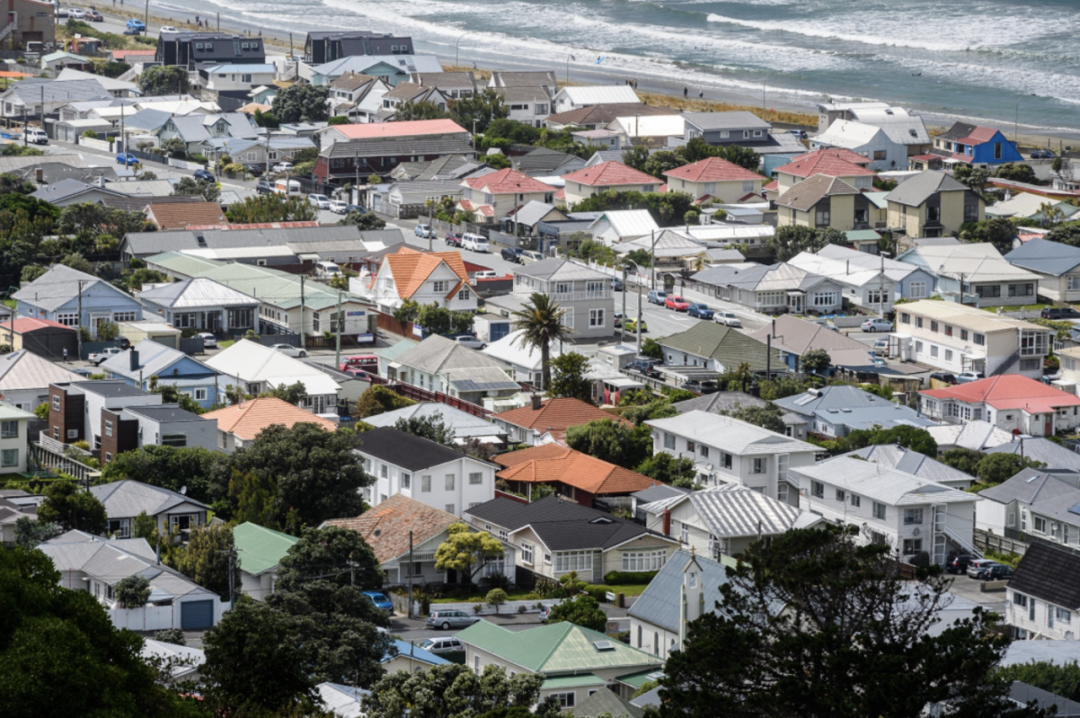
Figures released by the Real Estate Institute of New Zealand (REINZ) in September showed that Auckland's median house price had returned above NZ$1,000,000 in August. Its latest House Price Index showed Auckland house prices rose 2% month on month in August, while property markets elsewhere in the country also showed signs of recovery. National house prices rose 0.9% month on month. Median house prices rose 3.6% in Northland, 14.8% in Gisborne, 2% in Southland, 0.8% in Canterbury and 0.7% in Nelson.

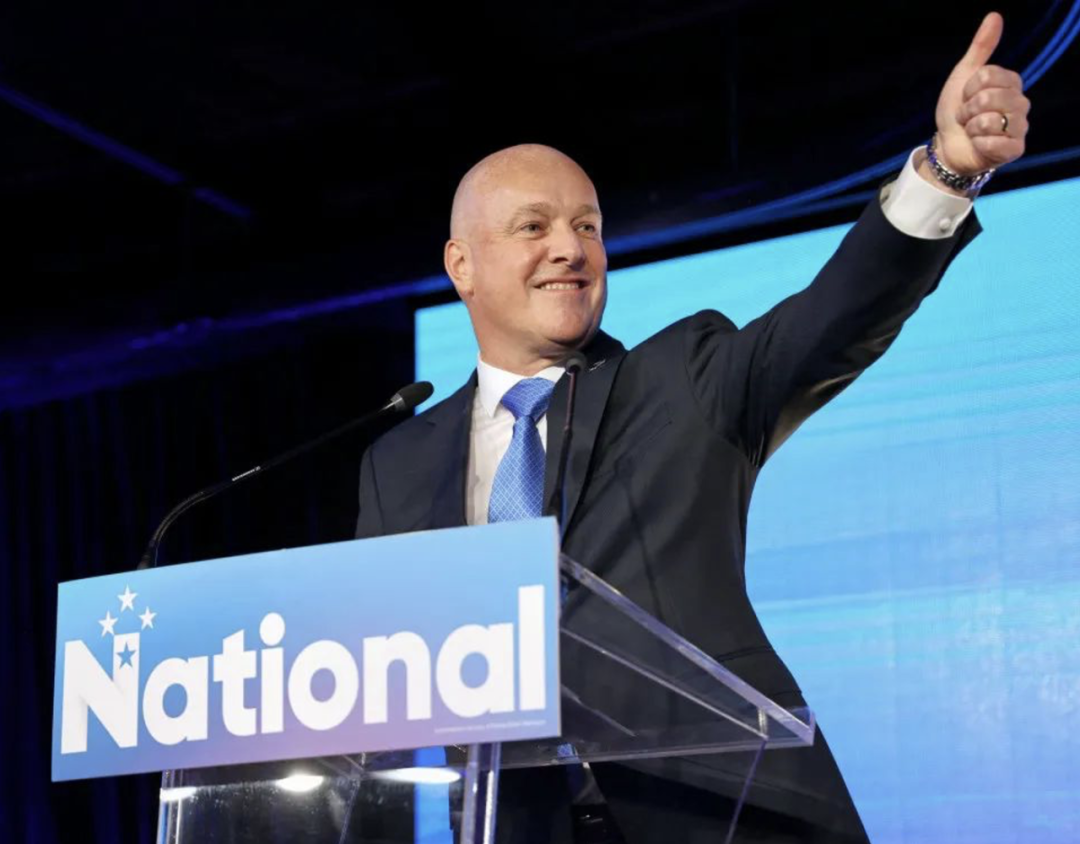 National Party leader Chris Luxon declares election victory
October was election month this year. Preliminary results showed National winning 50 seats, Labour 34, the Greens 14, ACT 11 and New Zealand First 8. National would form the backbone of New Zealand's next government, leaving the property market eager to see its earlier housing policy promises fulfilled. These included the high-profile withdrawal from medium-density housing legislation, restoring interest deductibility to boost landlords' income, and shortening the bright-line tax period from 10 years to 2 years.


On 24 November, 40 days after election day, Christopher Luxon finally formally announced the coalition agreement. Soon afterwards, National, ACT and New Zealand First formed a government, and Christopher Luxon officially became Prime Minister. New Zealand First leader Winston Peters and ACT leader David Seymour would share the Deputy Prime Minister role, each serving half of the three-year term. Peters would serve first, handing over to Seymour for the second half. National had previously proposed allowing overseas buyers to purchase properties worth more than NZ$2,000,000, subject to a corresponding tax. However, New Zealand First was a staunch supporter of the foreign buyer ban, so this policy would not proceed.

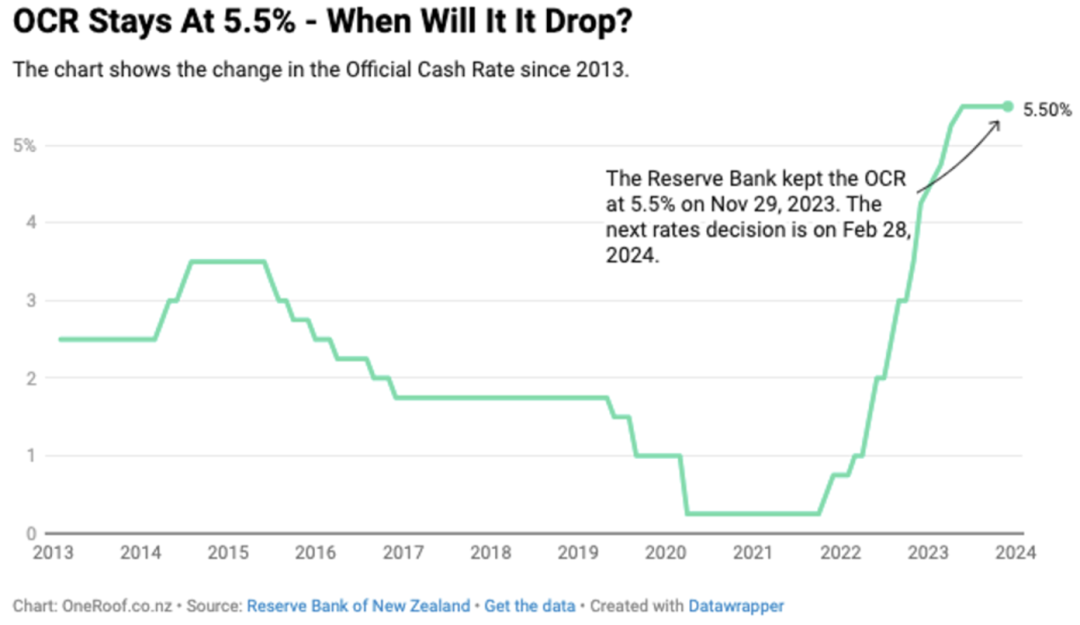
In late November, Reserve Bank Governor Adrian Orr announced that the OCR would remain at 5.5% and said it was expected to rise next year. This surprised financial markets and strongly challenged expectations of an OCR cut. The bank said that although higher interest rates were restraining consumer spending and inflation was trending down, inflation remained too high. These conditions required the OCR to stay at its current level for an extended period. Orr even warned that the OCR might have to rise again if inflationary pressures intensified.
So how much will house prices rise in 2024? There is no denying that the places migrants choose to settle may also see the strongest house price growth. New migrants tend to settle in the main centres, giving us reason to believe that house prices in major cities such as Auckland, Christchurch and Wellington will rise rapidly in the period ahead.
Do you agree? If you have hopes and expectations for 2024, share them with us in the comments below.