

|
After a long, lacklustre year, New Zealand’s property market has finally received several pieces of encouraging news, giving many industry figures confidence in the outlook for the year ahead. They believe mortgage rates will eventually fall and house prices will naturally rise, making opportunities to buy in 2024 a prominent topic for investors and first-home buyers. The interplay between economic conditions, government policy and social factors makes anticipating these market changes crucial. In this article, we explore the opportunities and challenges buyers may face in New Zealand’s property market in 2024.
|

 ANZ chief economist Sharon Zollner
 recently said she was relatively optimistic about the property market’s prospects for the year ahead, although there were some points to watch.
She believes mortgage rates are likely to fall, although the timing remains uncertain. House prices may also rise, and she and her team have maintained their forecast for annual house price growth of 4%。ANZ cut some mortgage rates late last year. Zollner said this reflected falling wholesale interest rates, but those rates have now returned to their previous levels.
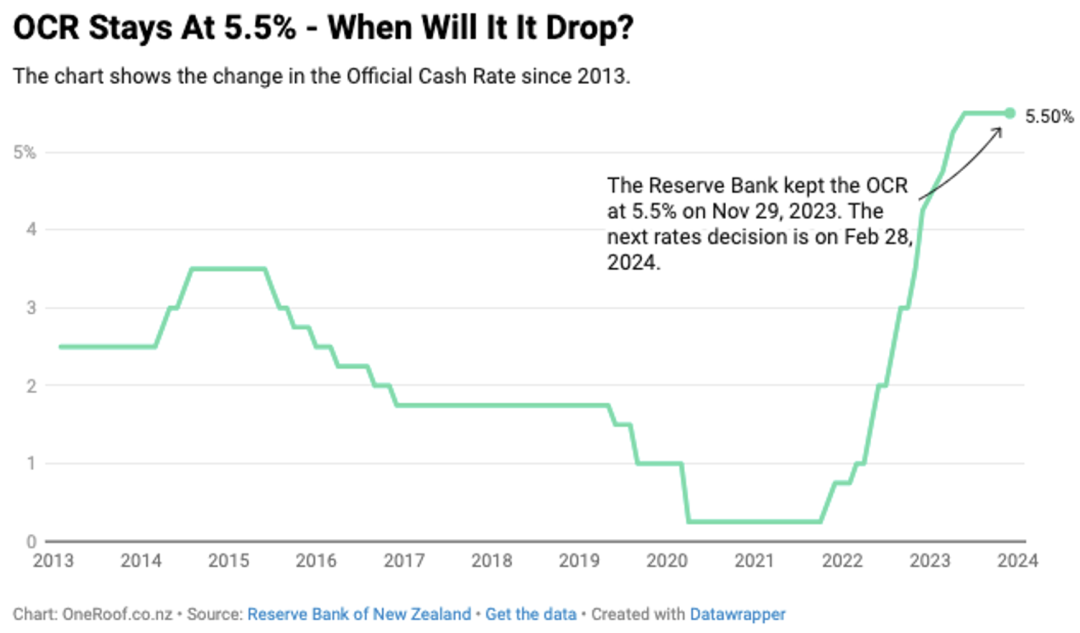 New Zealand’s Official Cash Rate (OCR) from 2013 to the present
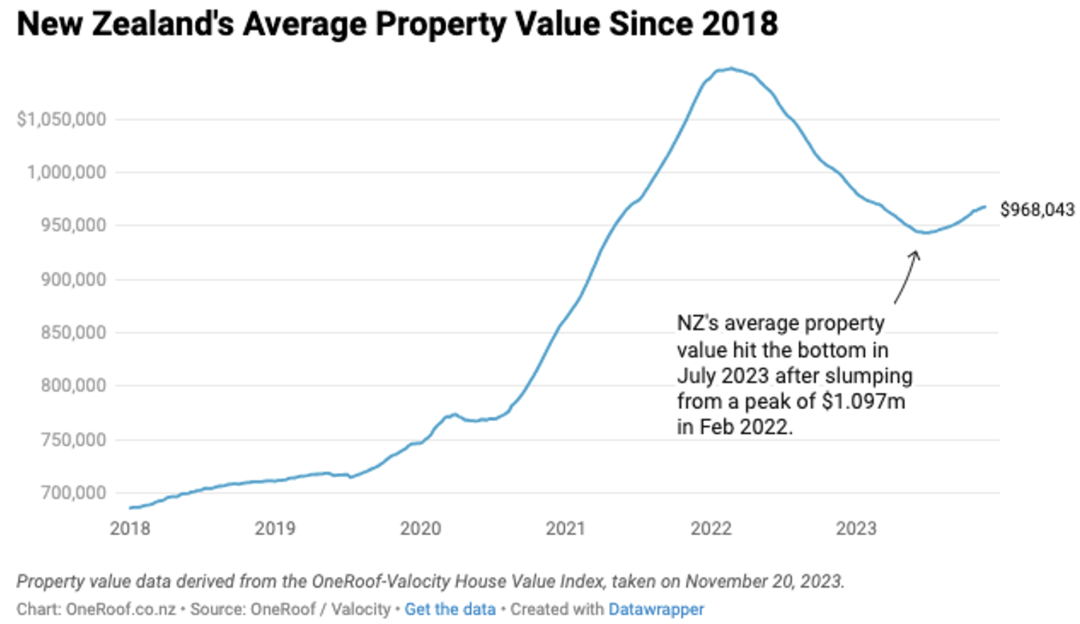 Average New Zealand house prices from 2018 to the present
Late last year, the US Federal Reserve put considerable effort into tackling inflation, but markets appeared unconvinced, and subsequent data has been mixed. A hard economic landing now could result either from the Federal Reserve having done too much or from inflation’s inherent persistence. She believes bringing inflation down remains a difficult task for the Reserve Bank of New Zealand. Although the housing market has passed its lowest point, it remains weak, and it is still unclear when house prices will take off again or mortgage rates will fall. Unemployment is also expected to rise, and whether this proves a blessing or a curse remains to be seen.
 With strong growth in net migration in recent years putting upward pressure on rents, Zollner is concerned that it could also put potential upward pressure on house prices. Meanwhile, policy changes following the new government’s arrival, including tax relief and the easing of the bright-line test and CCCFA rules, are making residential property investment more attractive.
She believes these changes will boost the market even if interest rates do not fall quickly. This could prove counterproductive, as it is not the outcome the Reserve Bank of New Zealand wants. To maintain price stability, it may not cut interest rates as quickly as people expect.
 ASB senior economist Mark Smith
 predicts that a range of favourable factors could lift New Zealand house prices by 7% to 10% overall this year. A key reason is that population growth is at its fastest in decades, while mortgage rates may already have peaked. House prices have also fallen substantially since their peak in late 2021, greatly increasing the likelihood of a rebound.
He also noted that the new government’s property policies are clearly more investor-friendly. However, he maintains that interest rates are the key driver of house prices. He expects the Reserve Bank could cut the OCR in the second half of this year, with markets likely to move ahead of it, meaning we could soon see commercial banks lower their mortgage rates. Other factors will also influence house price growth. For example, unemployment is likely to exceed 5% in the second half of this year, house price-to-income ratios remain high, and rental yields are relatively low. These factors will all limit house price growth.
 Mortgage adviser Sanjeev Jangra believes interest rates could fall further towards the end of this year, but advises borrowers to keep their expectations modest until then。For first-home buyers, entering the market while prices remain low and there is still plenty of choice could be a wise move. He has found that almost all real estate agencies have busy auction schedules for late January and early February. With interest rates still high, many homeowners are struggling, bringing these properties to market and creating more good opportunities for first-home buyers.
His advice to home buyers is to avoid fixing their mortgage rate for a long term. Although a longer fixed term offers certainty, borrowers could lose thousands of New Zealand dollars once interest rates start falling,the most popular fixed term at present is 18 months. There is also good news for first-home buyers: once loan-to-value ratio(LVR) rules change, banks’ deposit requirements will become more flexible. Those who meet Kāinga Ora’s First Home Loan criteria can buy a property worth NZ$800,000 with a 5% deposit, even in Auckland.
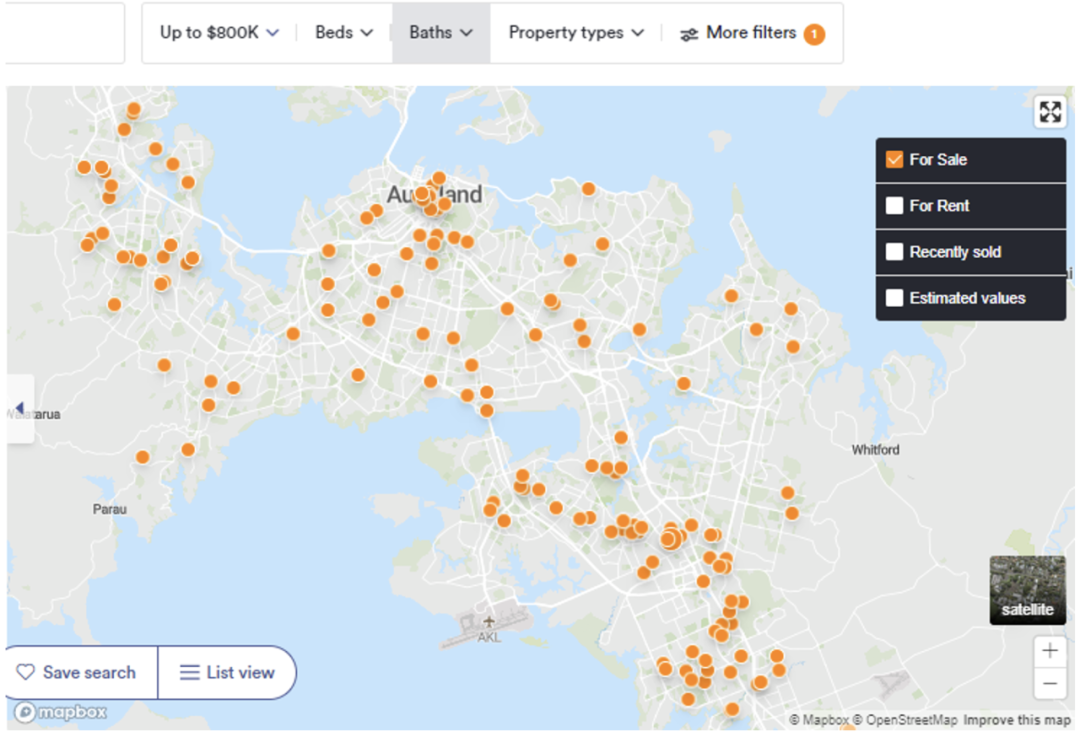 Auckland still has many properties priced below NZ$800,000
Elyce Peters, lead mortgage adviser at Christchurch’s The Mortgage Girls, believes time in the market matters more than timing the market for first-home buyers. Clients often miss the best opportunity to buy while waiting for prices to fall. She is excited about the prospect of lower mortgage rates over the coming year and says Canterbury’s housing market has remained stable. Buyers can still purchase properties for less than NZ$500,000, something almost impossible in many parts of the country. She also advises prospective buyers to base their purchasing plans on their own financial circumstances, rather than simply trying to predict interest rate movements。Buyers should stay in touch with their mortgage adviser. Although banks publish their latest rates online, a mortgage broker may still be able to secure a better rate.