
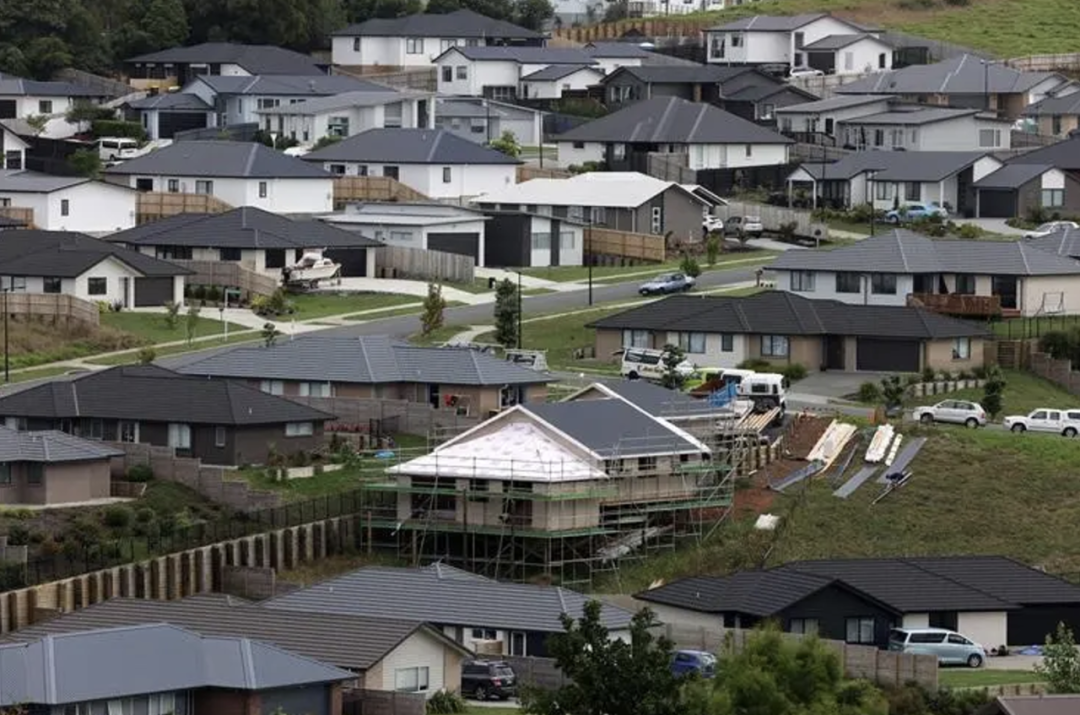

Following the Reserve Bank’s announcement last week that the OCR would remain unchanged, ASB and ANZ today cut some of their home loan rates.
ASB said its one-year home loan rate had fallen by 10 basis points, from 7.39% to 7.29%, while its two-year rate had also dropped from 6.89% to 6.85%. Meanwhile, its 6-month term deposit rate rose by 5 basis points to 6.05%.
ANZ’s 18-month home loan rates saw the largest cuts across its products, with the standard rate falling by 26 basis points to 7.49% and the special rate falling to 6.89%. Its one-year fixed standard rate fell from 7.99% to 7.84%, while the special rate dropped by 15 basis points to 7.24%. Its two-year and three-year home loan rates were both reduced by 10 basis points.

Mortgage figures released last week showed that new lending in January totalled NZ$3,400,000,000, up NZ$600,000,000 year on year. Although this was the sixth consecutive monthly increase, the overall base remained very low. It was almost half the lending total of 6,400,000,000 recorded in January 2021. These figures offer further evidence that the housing market is recovering, but slowly. First-home buyers continued to take full advantage of the favourable treatment available under loan-to-value ratio rules, accounting for 80% of all owner-occupier buyers with low deposits. Notably, purchases of new builds are exempt from loan-to-value ratio restrictions, making them undoubtedly one of the property types attracting the most attention from first-home buyers at present.
What does the Reserve Bank of New Zealand’s decision to hold the official cash rate(OCR) unchanged at 5.5% mean for the market? In fact, the Reserve Bank’s tone and forecasts for the OCR changed little last week. Its stance remained hawkish, with continued “zero tolerance” for any potential rise in inflation over the coming months. CoreLogic chief property economist Kelvin Davidson maintains that the OCR could rise further later this year, with signs of cuts potentially not emerging until the middle of next year.
According to CoreLogic’s latest House Price Index report, after price growth softened in January, with a monthly increase of 0.4%, another subdued rise followed in February, at 0.3% for the month. This contrasts sharply with monthly house price growth in the final two months of last year: 0.7% in November and 1.0% in December. These figures suggest that New Zealand’s housing market will continue its subdued upward trend in 2024.

Key official New Zealand economic data released last week presented a mixed picture. Job numbers increased in January; ANZ’s February household and business confidence indices were neither high nor low; and new dwelling consents fell sharply again in January. Notably, although fewer building consents will not directly affect the current housing market, the longer this decline continues, particularly during a period of rapid population growth, the greater the likelihood that the housing shortage will continue to worsen.
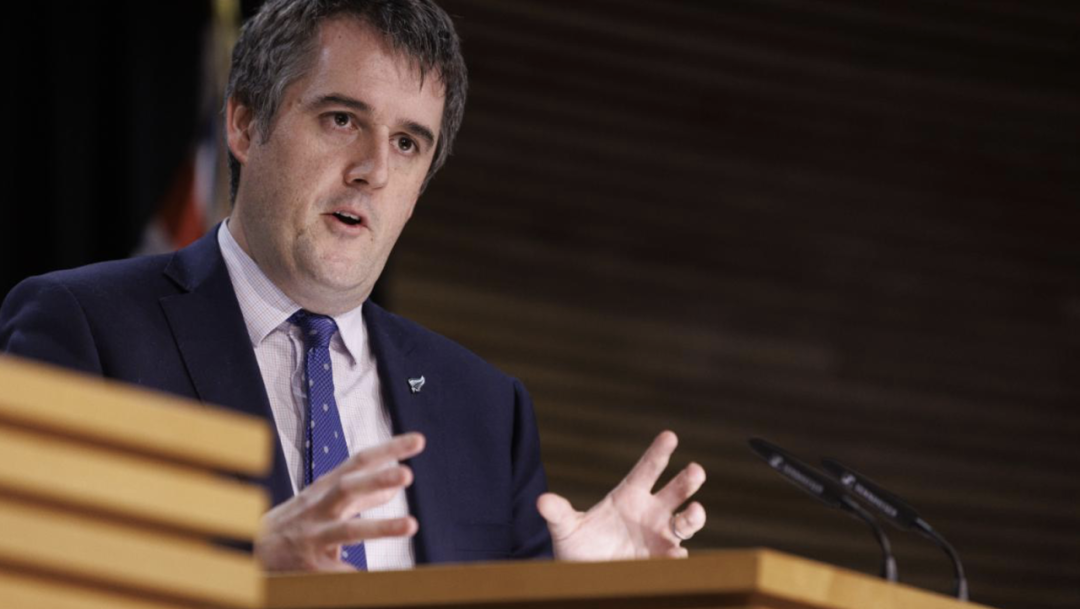 New Housing Minister Chris Bishop
Last week, new Housing Minister Chris Bishop publicly outlined further land reform plans to address new housing supply. These included requiring local councils to plan for enough development land to accommodate 30 years of construction growth. The Government also plans to examine infrastructure development, the rental market, construction cost controls and resource consent approvals in depth. He reiterated that local councils would be able to choose whether to opt out of medium- and high-density planning rules.
Admittedly, this all sounds promising. Previous governments have also tried to address these issues, but unfortunately achieved limited success. We can therefore only wait and see, and let time provide the answer.