
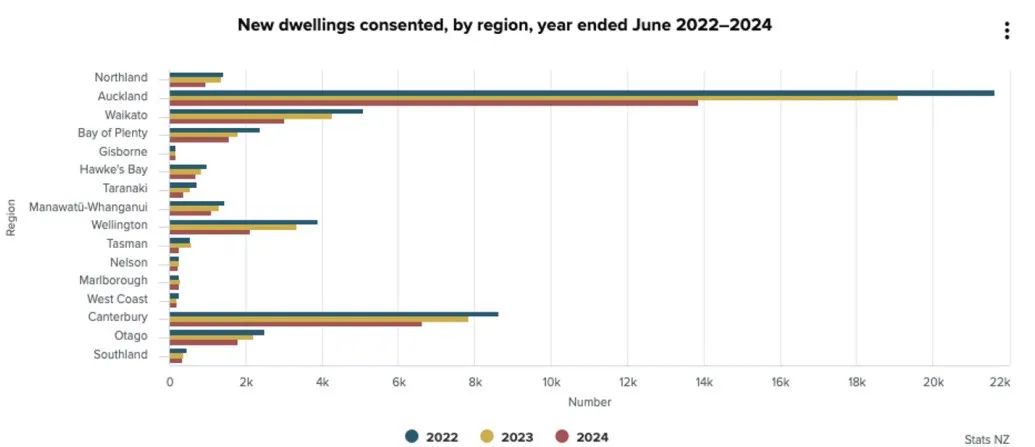
With ongoing global economic uncertainty and high inflation, the construction industry is facing unprecedented challenges. According to Stats NZ, new residential building consents in New Zealand had fallen to a five-year low by June 2024. The figures show that building consents in June fell 14% from May and were down around 24% on the same period last year, largely because of sharp falls in consents for apartments, townhouses, retirement villages and retirement apartments.
Against this backdrop, one of the biggest challenges for construction companies is finding a balance between high construction standards and the higher building costs they entail. Market volatility also requires companies to become more adaptable in dealing with uncertainty.
How, then, can developers remain competitive in this challenging environment while providing customers with high-quality homes? Today, we have invited Kevin, who heads Goodform Living’s development management department and Omni Architecture, to share his views and experience.
Goodform Living is a property development company focused on creating boutique residential and commercial projects to a high standard. Its compact, efficient team can respond quickly to the demands arising from market changes.
Goodform Living is committed to delivering exceptional home quality and thoughtfully crafted spaces, incorporating the latest technology and finishing materials into every project it develops. Its services include land development, project planning, development management, architecture, landscape design and interior design.
Q: Against the backdrop of a fluctuating property market, what does Goodform Living see as the main challenges?
We believe the greatest challenge in property development today is finding the right balance between design, construction quality and building costs.
Goodform Living is both a developer and a designer. We always strive for construction quality well above the market average, carefully considering every design dimension and use of materials. This perfectionist approach inevitably exposes us to ever-increasing building costs. It is also the greatest risk we face during development.
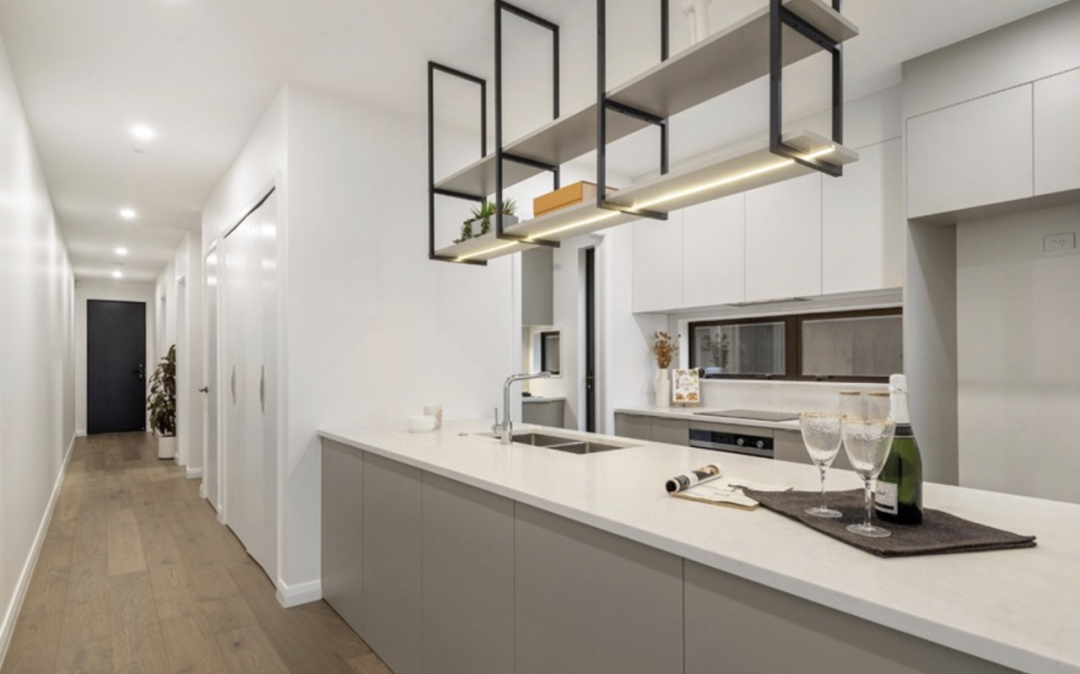
A project designed by Goodform Living
Q: What specific strategies has Goodform Living adopted to address these challenges?
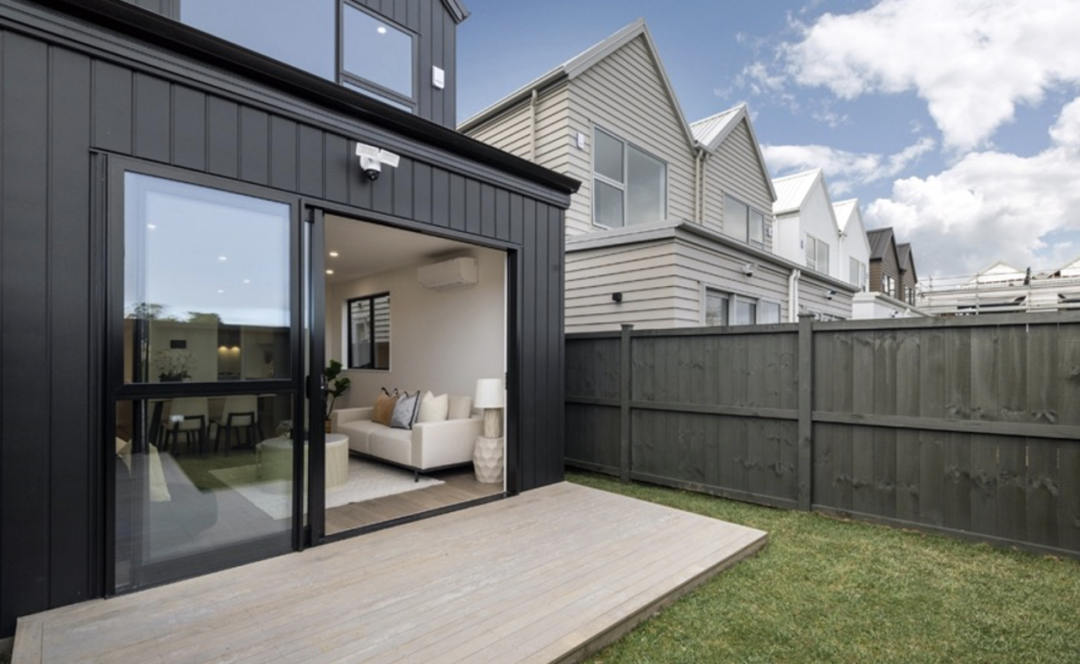
We are guided by our customers’ needs. Drawing on our design expertise and experienced development management team, we maintain strict control over construction quality while continually introducing new design ideas, materials and technologies into our projects. Examples include app-controlled lighting, alarms and access control throughout the home, along with smart surveillance equipment, allowing customers to monitor and manage their homes wherever they are.
By improving the experience of living in our homes, we help them stand out from comparable properties on the market. We want customers to feel drawn to a home as soon as they approach it, strengthening our competitiveness.
Q: Could you use a real example to explain your distinctive approach to market positioning and design?
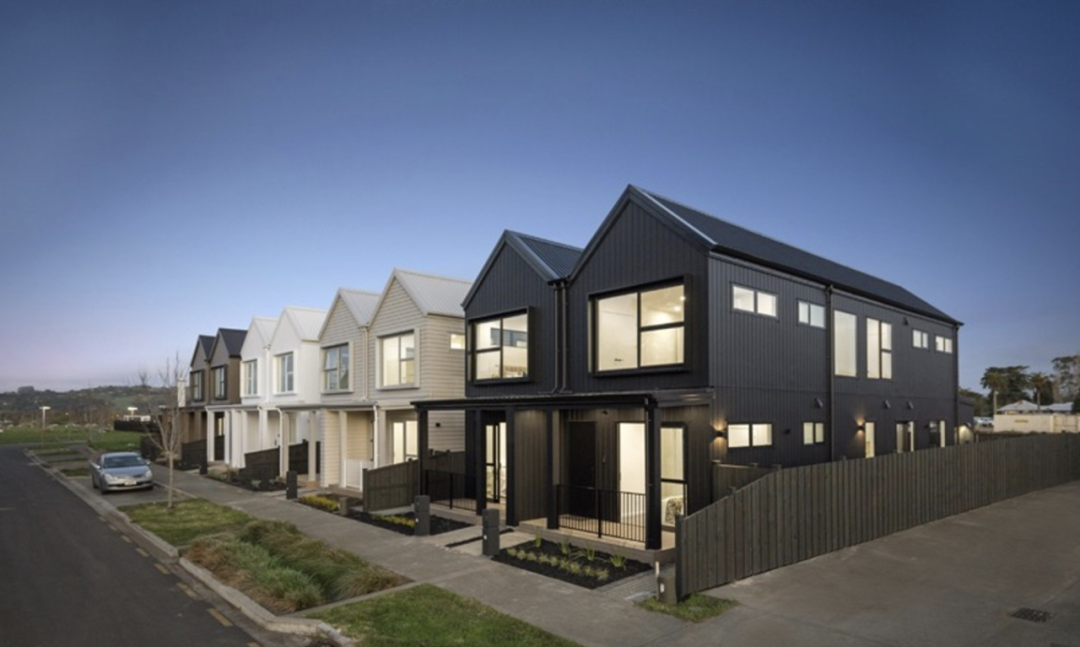
One of our design priorities is the overall layout and the creation of a sense of community. Moving beyond the design of individual homes, the Burberry Heights project in Karaka, South Auckland, offers a well-planned residential community for customers seeking a peaceful, comfortable lifestyle.
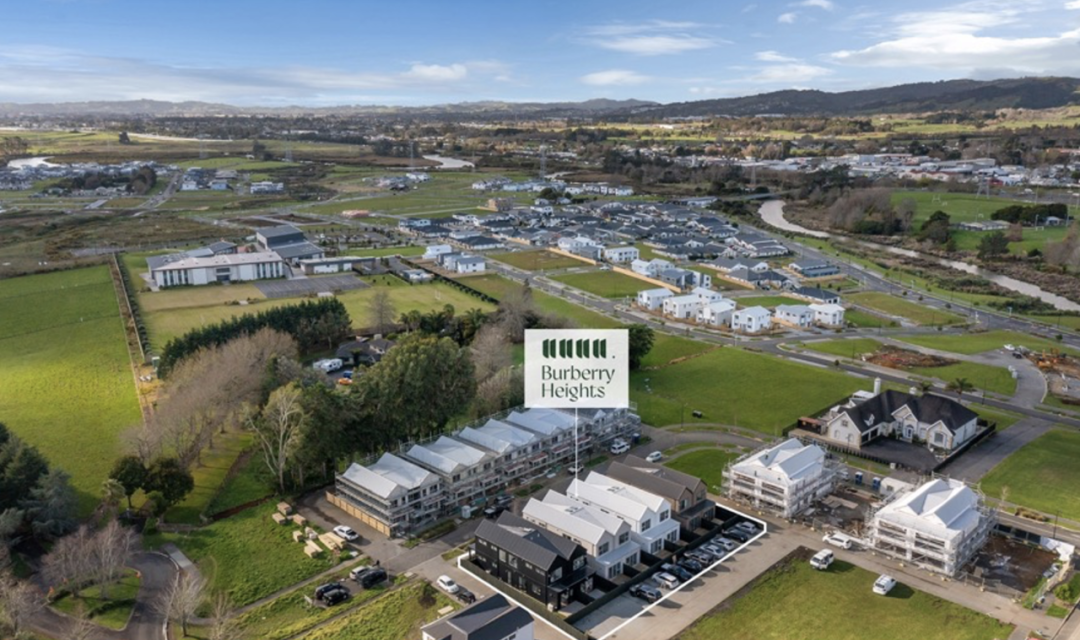
The architecture aims to sit harmoniously within its surroundings, avoiding excessive showiness and highlighting the atmosphere of the community as a whole. The homes have a simple, modern design, with clear lines and well-defined forms. While prioritising functionality and practicality, the design emphasises cohesion and harmony across the neighbourhood. Extensive use of soft, neutral colours conveys the quiet, relaxed atmosphere of a modern community.
As the great architect Frank Lloyd Wright said, our design philosophy is for buildings to “belong” to the hill rather than “stand upon it”.
Q: What insights can you share about choosing materials to achieve this effect?
Vitruvius’s three principles of architecture—utility, strength and beauty—have been influential throughout architectural history. Although the forms and requirements of modern architecture have changed significantly, these principles remain relevant.
For the Burberry Heights project, we chose James Hardie’s Linea™ Weatherboard and Oblique™ Weatherboard. James Hardie products are known for their value for money, quality, durability and low maintenance requirements. They offer a range of exterior finish options at the design stage, as well as considerable flexibility to repaint in different exterior colours later. Their ease of installation and compatibility with other exterior cladding materials also fully meet our project requirements for appearance, quality and value for money.
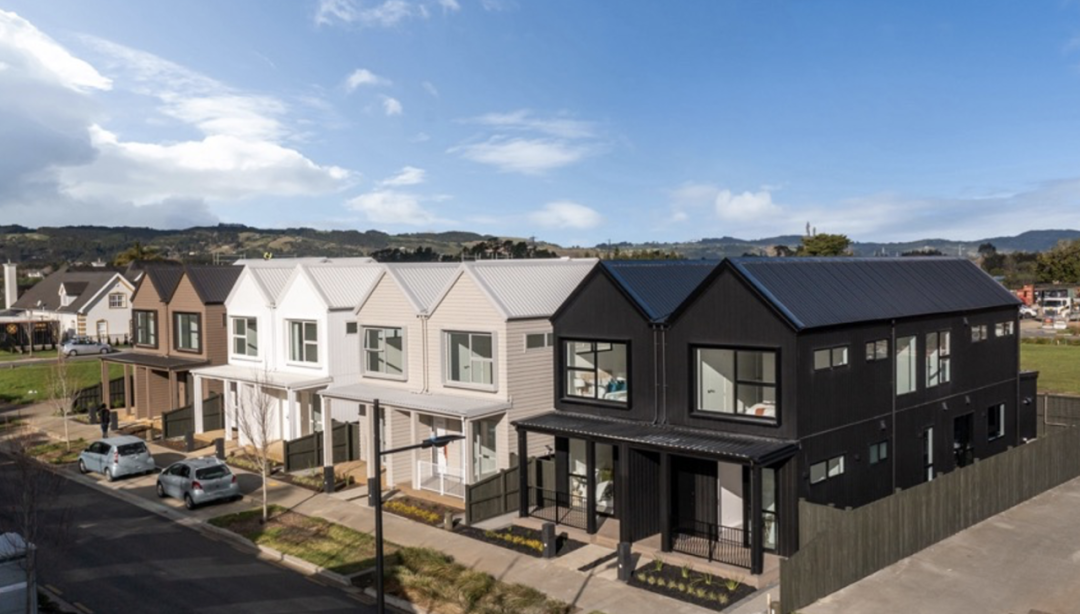
As all eight homes in the first stage of Burberry Heights are semi-detached, fire performance was a key consideration when choosing exterior cladding. The excellent fire performance of James Hardie products made them particularly useful for our project.
Because of the fibre cement boards’resistance to corrosion, projects using James Hardie exterior cladding generally enjoy customers’ trust. In terms of sound insulation, the relatively high density of fibre cement boards can also reduce external noise to some extent.
Q: How do you see the property and construction markets developing over the next 2–3 years?
We believe future changes should begin with building materials, with more advanced materials gradually entering the New Zealand market. Construction techniques will also evolve, and greater use of integrated building materials will reduce labour costs while improving the quality of finished homes. Finally, green building will attract greater market attention, with new energy-efficient, environmentally friendly buildings and materials becoming a future trend.
If you are interested in property development and construction, please contact the Goodform Living team for advice. You are also welcome to follow James Hardie New Zealand’s official WeChat account.
Company information:
hello@goodformliving.co.nz
0800 531777 / 027 531 7777
Project information: