

1
House prices fell for a second consecutive month in May:
Are sellers becoming more realistic about prices?
According to the Real Estate Institute of New Zealand (REINZ), the national median house price fell to NZ$770,000 in May, down from NZ$790,000 in April and NZ$800,000 in March. The national median was also down 1.3% compared with May last year. The data shows that national house prices fell 2.9% in the three months to the end of May, while Auckland prices fell 4.2% over the same period. (See the chart below for detailed regional price changes.)
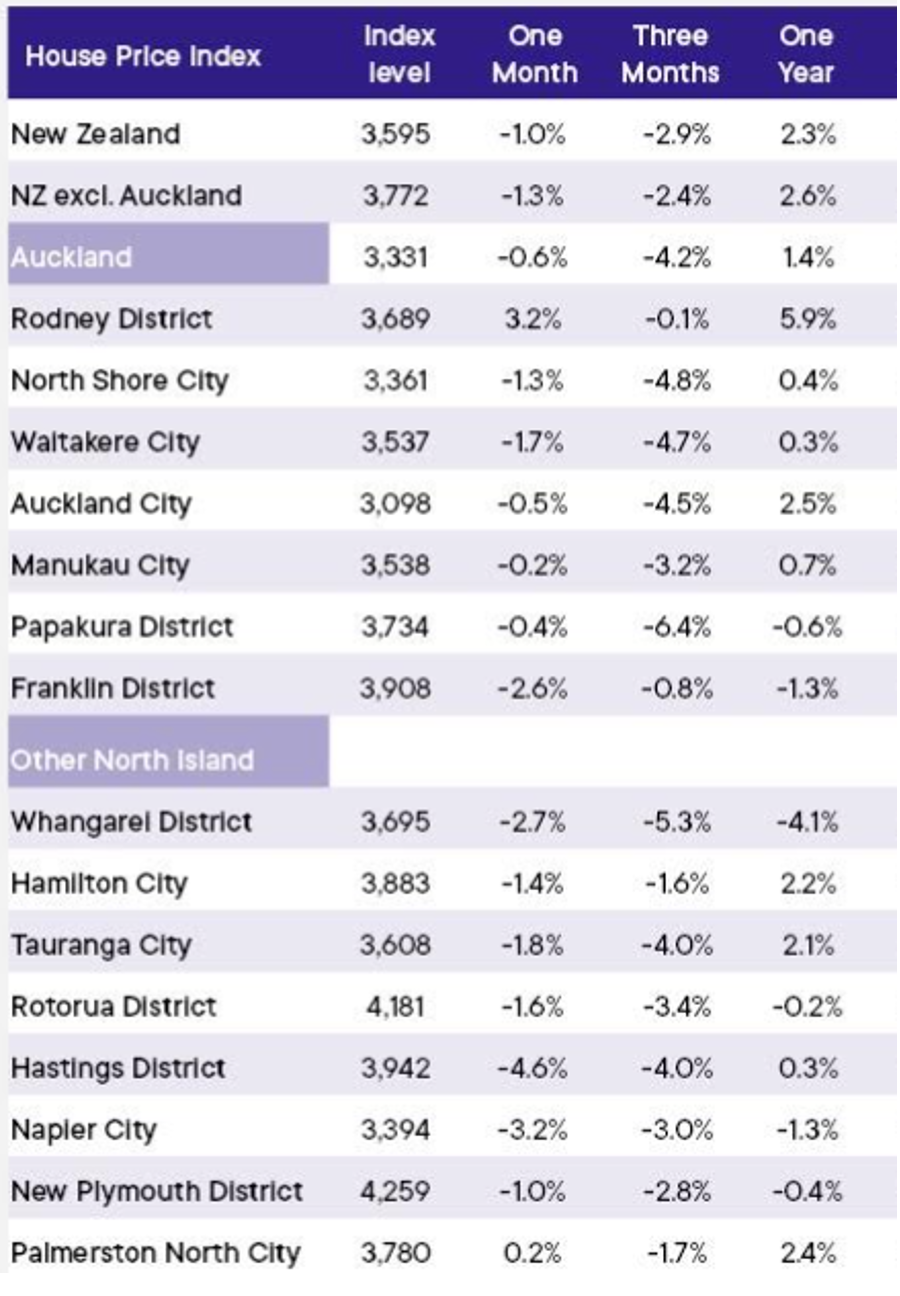
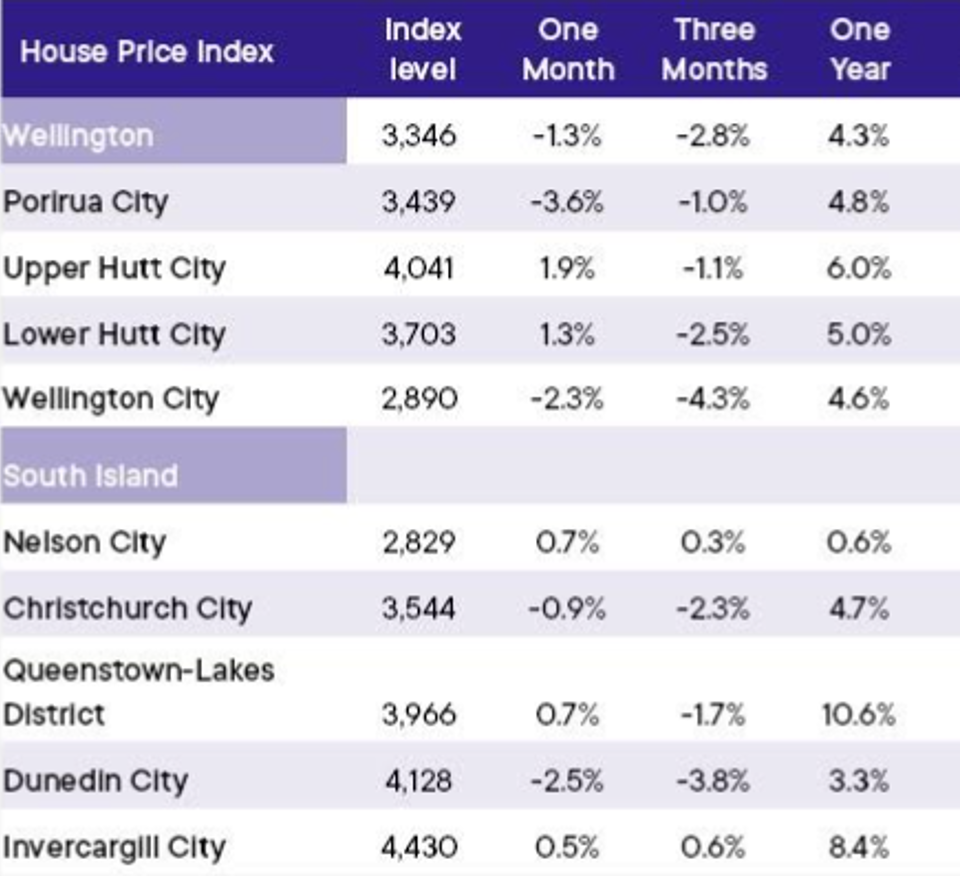
House price changes in New Zealand's main cities, May 2024 (Source: REINZ)
Falling house prices appear to have stimulated sales. The report shows that 6303 homes were sold in May, up 8.0% from April and 6.8% from May last year. Unfortunately, after seasonal adjustment, sales in May fell 4.9% compared with April. Auckland sales in May dropped a substantial 11.9% from April, suggesting the rise in actual sales in May may not continue into winter. REINZ chief executive Jen Baird said the continuing flow of new listings, combined with substantial stock already on the market, was giving buyers more choice and greater negotiating power.
2
Could weak GDP figures be good news?
Stats NZ's release on Thursday of this year's first-quarter gross domestic product (GDP) figures will be a key focus for the property market this week. CoreLogic chief economist Kelvin Davidson forecasts growth of around 0.2%, but other economists generally expect a decline. Given New Zealand's current economic conditions, a fall in GDP may be more in line with market expectations and more favourable for the property market, as it could curb inflation more quickly and trigger earlier interest rate cuts.
3
Are more borrowers opting for shorter
fixed mortgage terms?
Data released by the Reserve Bank of New Zealand last week shows that 58% of new lending in April was fixed for a year or less. This was up from 57% in March and 56% in February, and well above the 36% recorded in December last year. Davidson said choosing shorter fixed terms made sense given market expectations that both the Official Cash Rate and bank mortgage rates would fall. The question, however, is how quickly rates will decline and whether paying higher short-term rates is worthwhile.
4
Has migration passed its peak?
The latest Stats NZ figures show net migration of 98,464 in the 12 months to the end of April. Although still relatively high compared with the long-term average of 30,000–35,000 a year, this was a substantial decline from the peak of nearly 138,000 in October. New migrants are undoubtedly still supporting housing demand across New Zealand, but much less strongly than at the end of last year. The migration figures also reveal a worrying development: departures of New Zealand citizens have reached a record high. This loss of talent has a much greater impact on the regions than on the main centres and could pose unprecedented challenges for regional economic development in maintaining a young workforce.
5
Rent growth continues to slow
Declining net migration is directly contributing to slower rent growth. The latest Stats NZ figures show rents rose just 3.8% in the year to May. This was the first time growth had fallen below 4% since June last year, bringing it closer to the long-term average of 3.3%. This is not good market news for property investors, but tenants undoubtedly have reason to welcome the trend. Possible explanations include slower wage growth limiting what tenants can afford, alongside easing demand and a growing supply of rental properties.