
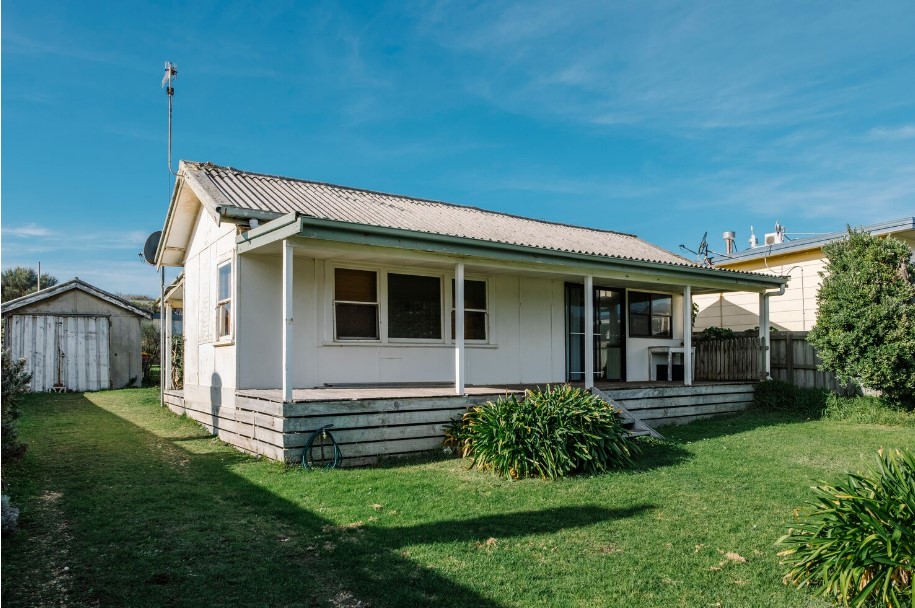
Deputy Prime Minister Winston Peters and Housing Minister Chris Bishop last week announced public consultation on proposed changes to the Building Act and resource consent system. The proposed standard would make it easier to build small, detached homes on properties with existing houses, without requiring building or resource consent.
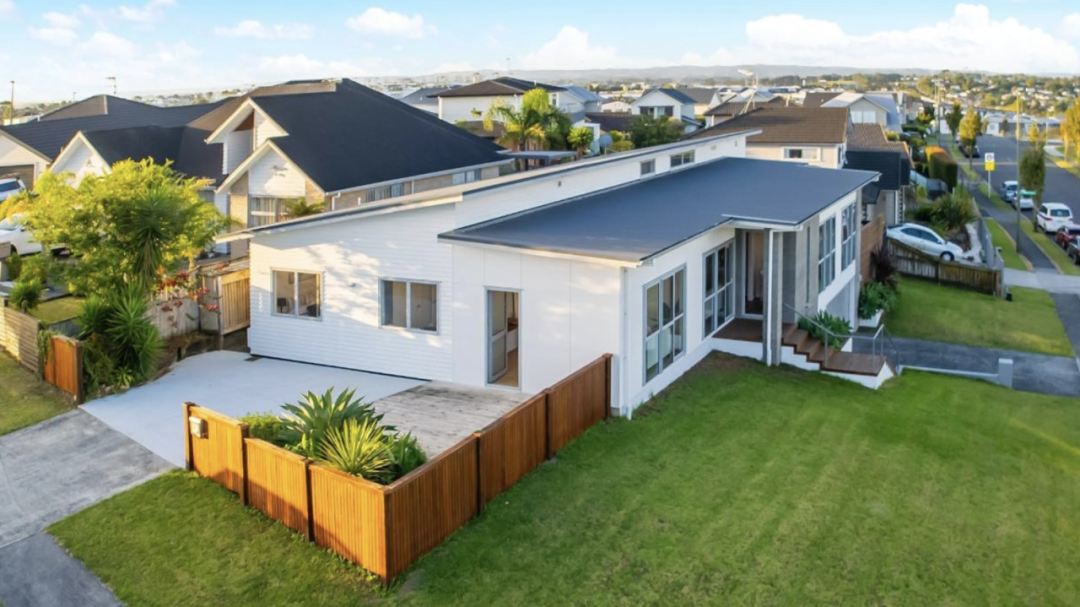
Specifically, the standard would allow buildings of up to 60 square metres in rural and residential areas, making them cheaper and easier to build. The government believes this will effectively increase New Zealand’s supply of affordable housing.

What are the new rules?
The government is proposing two legislative changes. One would introduce a national environmental standard requiring all councils to allow small homes on land in rural and residential areas without resource consent. The other would add a new schedule to the Building Act allowing single-storey, detached homes of up to 60 square metres.
These small, detached buildings are commonly called “granny flats”, although builders say “small dwellings” or “minor dwellings” would be more accurate. They are nothing new: they were particularly popular in the 70s and 80s of the 20th century, but fell out of favour in subsequent years. The new proposal stems from the coalition agreement between National and New Zealand First, which committed to changing the relevant laws to make these homes easier to build.
As the government seeks to reduce unnecessary building costs and work, the requirement to submit an engineer’s report when building a granny flat has been removed. The replacement standard requires that “all work is carried out or supervised by qualified professionals who meet current occupational licensing requirements, to ensure all building work complies with the Building Code”.
Some planning rules will still apply, including those covering flood risk mitigation, building size, boundary setbacks and the proportion of a property that buildings can cover. Plumbing and cooking facilities will be permitted, but these will require interconnected smoke alarms, and other standards will address potential risks. Typical district plans, excluding medium-density provisions, set maximum residential site coverage at between 35% and 50%. The consultation document proposes setting coverage at 50%, 60% or 70%.
The Building Act and Building Code aim to ensure buildings are safe, healthy and durable for their occupants. All building work on small dwellings or granny flats must therefore comply with the Building Code, even if building consent is not required.
Following consultation, the new rules are reportedly due to take effect in the middle of next year.
Why make these changes?
Bishop said the policy changes would make it easier and cheaper to build more homes, increasing housing supply. He also said many district plans already allow granny flats without resource consent, but standards vary across the country. Removing regulatory red tape would also speed up construction. Resource consent application costs for each standard home built could be reduced by an estimated NZ$6500, aside from savings in time and other areas.
What are the potential risks?

AUT construction professor John Tookey is concerned about the rule changes
AUT construction professor John Tookey said the new rules would ultimately be more complicated than people had been led to believe. Once restrictions were relaxed, many people would “do their own thing”, potentially leading to the rules being tightened again. He stressed: “Essentially, if you build large numbers of small homes across different parts of a city, you start affecting the total permeable area of properties. That increases stormwater runoff, which can be a major problem, as we saw during last year’s extreme weather events.” Tookey explained that careful consideration was needed of what these changes could mean for stormwater systems, and how greater housing density would affect infrastructure such as wastewater treatment, drinking water, roads and schools.
How much will construction cost?
Keith Hay Homes managing director Matthew Hay said his company had already built many small residential projects. A basic 60-square-metre home would cost around NZ$200,000 for the house alone, excluding connections to water, electricity and all other services. Once these were included, the basic cost would be in the mid-to-upper NZ$200,000 range. His company generally budgets between NZ$320,000 and NZ$380,000, depending on the region, local council requirements, and the type and difficulty of the building site.
Tookey reached a similar conclusion. He believes NZ$3000 per square metre would be the baseline starting cost for a new build, excluding earthworks or any additional site costs. He estimated that around NZ$200,000 would be a starting point, but actual costs could be much higher.
What issues could arise?
Matthew Hay said building a small home was much simpler than building a large one, particularly if it was built off-site and relocated to the property. However, he stressed that another layer of complexity emerged once councils became involved in connecting water supply, drainage and sewerage systems.
Tookey considers the idea that the new rules would make construction entirely “free of consent applications” to be nonsense. Homes would still need to comply with the Building Code and involve licensed building practitioners.
Do granny flats offer investors strong returns?
Ed McKnight of Opes Partners said adding a small dwelling to a property was a classic investment strategy. The first major group interested would be investors seeking to improve their property’s cash flow. He offered a calculation: with construction costs of NZ$200,000 to NZ$300,000 and weekly rent of NZ$400 to NZ$600, a small dwelling could deliver a gross yield of 8% to 12%. This would effectively improve the owner’s cash flow. However, he did not believe a 60-square-metre dwelling, usually with two bedrooms, would add significantly to the property’s value. In his view, building a 70-square-metre, three-bedroom home could offer better value for money.
Sarina Gibbon, general manager of the Auckland Property Investors’ Association, held a different view. With interest rates high, many of its members considered these projected returns unrealistic. She believed the new rules could make things easier for some people, but granny flats had become less popular in recent years, particularly in Auckland, where the Unitary Plan had given people more building options. Investors also needed to remember that small dwellings must meet Healthy Homes requirements and comply with tenancy law when rented out.
Will the new rules lead to a flood of granny flats?
Those interviewed agreed that they would not. Although the new rules might lead to some increase in small-home construction, they would not result in large numbers being built.
Tookey believes the current economic climate, construction costs and high interest rates are making many people reluctant to build anything at present. These factors may improve over time, but this is not the best way to address housing supply.
So, do you support the government changing the rules for building granny flats?