
Current industry challenges
Penk said plainly that building any home in New Zealand was too expensive and took too long. According to Stats NZ figures, construction costs have risen 41% since 2019, and building a house takes around 569 days on average, excluding the time taken beforehand to obtain consent. Cumbersome approval processes and building inspections to ensure compliance with the Building Code have long been obstacles to faster construction. Building inspections are usually carried out by inspectors visiting sites in person. This can cause lengthy delays, as builders sometimes have to wait weeks for an appointment, during which construction must stop.
The benefits of remote inspections
Penk’s statement emphasised the urgency of making remote inspections the default approach for building consent authorities. He noted that traditional on-site inspections were time-consuming and added to cost pressures. Using online technology, remote inspections could significantly improve productivity, shorten the time needed to obtain building consent and reduce inspection delays. However, adoption varies across the country, with some local authorities more receptive than others.
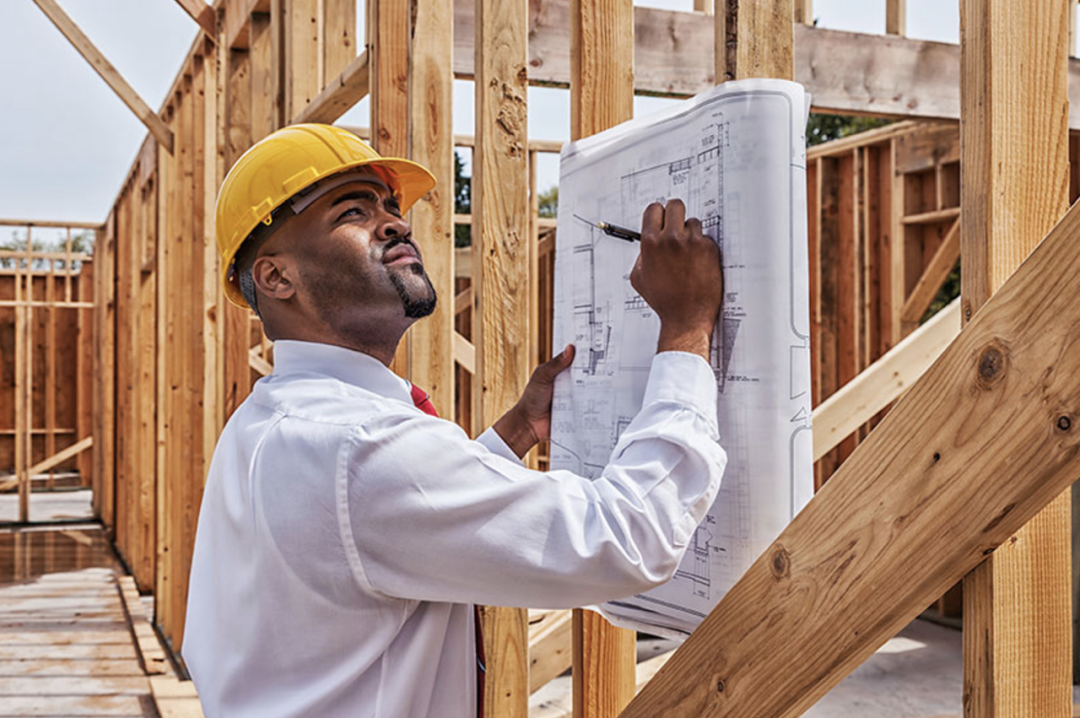
Penk made clear that remote inspections should be standardised to improve efficiency and reduce costs. The move aligns with the Government’s efforts to simplify building regulations. He highlighted the many benefits of remote inspections, including lower transport emissions, better record-keeping and document editing, and less wasted time through greater flexibility for inspectors and building professionals. Rather than travelling to sites with clipboards, building inspectors would conduct inspections using videos and photos sent to them, and could use tools such as geolocation to verify where the images were taken.
Despite these benefits, Penk acknowledged that some local authorities were hesitant to adopt remote inspections because of concerns about liability and risk. Penk stressed that anyone attempting to abuse the system would face firm action, but “most builders are trustworthy”. He said all kinds of measurements could be taken remotely, as could most visual checks. However, Penk acknowledged that remote inspections might be unsuitable in some circumstances, although he believed these would be relatively rare. He also noted that inconsistent inspection standards across jurisdictions made it harder for builders to operate under differing rules and regulations. This lack of consistency hampered productivity and increased the financial burden on builders and homeowners.
Changes to the rules
To address these challenges, the Government plans to introduce a regulatory change making remote inspections the standard approach, while still allowing on-site inspections where necessary. Penk wants feedback from builders and local authorities to ensure the new system is practical and effective. He will release a discussion document in the third quarter of 2024, inviting stakeholders to share their views on circumstances in which remote inspections might be less suitable and how best to implement the regulatory changes.
Penk has recently announced a series of government reforms for the building and construction sector. These include changes to the Building Act announced in April this year to accept residential building materials already approved in trusted overseas markets. In May, he announced plans to clarify the definition of “minor variations” in building projects and reduce barriers to using international building products, requiring councils to accept products that meet standards equivalent to or higher than New Zealand’s. The Government has also taken steps to review legislation on earthquake-prone buildings, extend remediation deadlines and exempt small building projects costing less than NZ$65,000 from the building levy…
So, for builders, are remote inspections an advantage or a disadvantage? YIJU interviewed several prominent Chinese builders to hear their views on the new building rules.
Q: Do you think remote inspections offer greater advantages than on-site inspections? What do you think of the coalition Government’s recently announced reforms for the building and construction sector?

Miro Homes Hongren: I believe remote inspections are a necessary outcome of technological progress.
-
They will reduce inspectors’ travel time and the road safety risks associated with travel, making them better suited to Auckland’s current traffic conditions. They will also free up more productive time for inspecting construction sites, easing inspectors’ workload pressures and giving builders more flexible inspection booking options.
-
Widespread adoption of remote inspections could indirectly strengthen awareness of responsibility for product quality and safety throughout the construction industry’s supply chain, supporting the industry’s healthy development.
-
Remote inspections remove the constraint of having a single inspector responsible for an inspection. A team of inspectors could conduct an inspection, assessing the construction work from several perspectives. This could also improve training for junior inspectors and help achieve consistent industry standards.
-
Of course, further assessment is needed of the level of detail possible in remote inspections and the standardised steps for inspection procedures. I also think more thorough testing and assessment are needed to determine whether location or network signal strength could affect remote inspections.
The recent policies show me that the Government is paying attention to the construction industry’s development and treating it as a priority. I believe these measures provide a very important boost to our confidence, helping us as construction professionals take a more positive approach to future development.

Indelible Homes Anna:I would very much welcome remote inspections becoming the “default option”. This is part of the Government’s effort to create a more efficient, cost-effective and resilient construction industry. The delays and inefficiencies currently troubling the industry are unsustainable. By standardising remote inspections, New Zealand can ensure its construction sector is better equipped to meet future demand, ultimately benefiting builders, homeowners and the wider economy. I believe the future of New Zealand’s construction industry depends on our ability to adapt and innovate, and remote inspections are a crucial step in that direction. At the same time, we cannot overlook their drawbacks, so it is essential to use remote inspections as the main approach, supported by on-site inspections.
As members of the construction industry, we have seen New Zealand’s Building and Construction Minister announce a series of industry reforms over recent months. We particularly welcome the opening up of the building materials market, which will effectively address local monopolies and excessively high prices.

Treasure Homes Jacky: There are two sides to this issue. Our construction industry used remote inspections, or video-and-photo inspections, during the pandemic. I believe this approach can improve the efficiency of some inspections and reduce the time they take. However, we also encountered complex problems that required council inspectors to attend in person. Overall, if the system can effectively distinguish between basic inspections and the handling of complex issues, and allow the person booking the inspection to choose between a remote inspection and an on-site discussion, I believe it could substantially reduce inspection times and better meet the needs of construction progress on site. I suggest future inspections could be more accommodating. For example, when builders book an inspection, we could assess its complexity ourselves and make a reasonable choice between a remote and an on-site inspection.
These recent reforms are undoubtedly efforts by the coalition Government to improve construction efficiency and address the housing shortage, and deserve recognition. At least they are trying different approaches, and we as industry professionals very much welcome these reforms.