

The latest consumers price index (CPI) figures released by Stats NZ this week showed annual inflation fell to 3.3% in the three months to the end of June. Although still slightly above the Reserve Bank’s 1% to 3% target range, the fall exceeded market expectations. Inflation was below the previous quarter’s 4% and at its lowest level in three years. In May, the Reserve Bank of New Zealand had forecast inflation would fall to 3.6%. The result prompted several banks to revise their projected timelines for rate cuts, with one even saying cuts to the Official Cash Rate (OCR) could well begin as early as next month.
ASB said the fall in CPI inflation made earlier and substantial OCR cuts in 2024 more likely. It expected a 25-basis-point (bps) cut in November, describing this as the “bare minimum” the Reserve Bank of New Zealand would need to deliver in 2024. In an update following the Reserve Bank’s latest monetary statement, ASB economists said: “All OCR decisions in 2024 are effectively live, with cuts potentially beginning as early as next month. Substantial cuts of at least 50 basis points are likely in 2024.”
Kiwibank economists said they expected inflation to fall below 3% in the September figures, with the Reserve Bank cutting rates before Christmas, or sooner if the data continued to show cooling. “The progress on core inflation revealed this week gives us greater confidence that the Reserve Bank will achieve its goal of bringing CPI inflation back to 2% in 2025.”
Meanwhile, ANZ said the figures had prompted it to bring forward its expected OCR cut to November, from its previous forecast of February next year. Westpac also brought its rate-cut forecast forward to November.
So what changes does a fall in the CPI mean for our lives?
First-home buyers
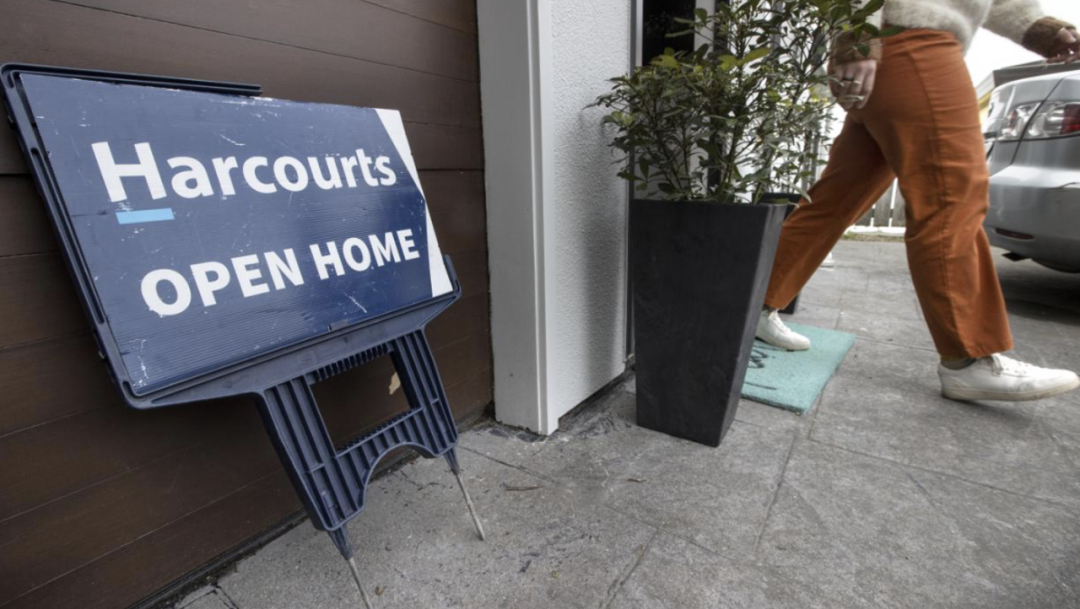
Housing and household utility costs rose 1.1% in June, driven by a 0.9% increase in home ownership costs and a 2.8% increase in household energy costs. Infometrics chief forecaster Gareth Kiernan said the figures confirmed that OCR cuts would begin in early 2025, or possibly even by the end of this year, making mortgage repayments more affordable for prospective first-home buyers.
House insurance costs rose 14% over the past year, while council rates maintained a 9.6% rate of increase over the past four quarters. Kiwibank economist Mary Jo Vergara said that, excluding these costs, domestic price pressures in New Zealand continued to cool. This gave confidence that non-tradables inflation was on a downward path, albeit a slow one.
Renters
Rental inflation remains as high as 4.8%, the fastest rate of increase since 1996. Kiernan said the figures suggested pressure was greatest in the South Island, where rents were 6.8% higher than a year earlier. In other words, renters have yet to see signs that their living standards will improve any time soon.
Households with mortgages
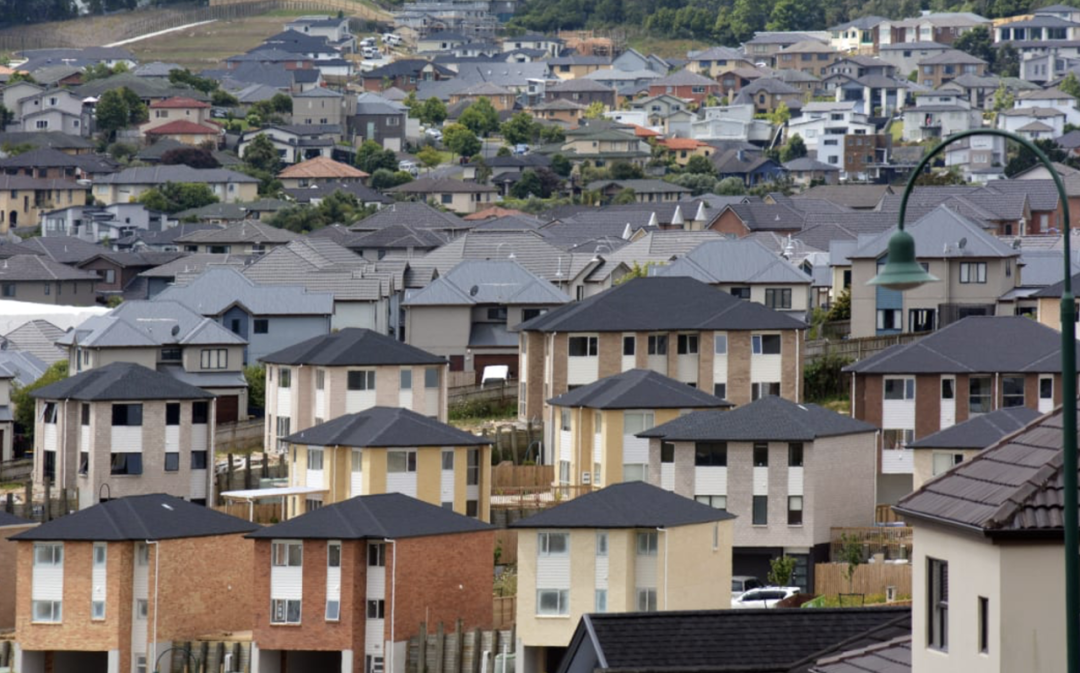
Over the past few years, food prices and home-buying costs may have been the biggest burdens on everyday spending for households with mortgages. Kiernan expected the OCR to fall later this year, making mortgage rates more affordable and helping ease financial pressure on all Kiwi households in 2025.
Food price inflation has now fallen to its lowest level in six years, and easing and stabilising food prices will also be welcome. However, Kiernan noted that electricity prices had recorded their biggest quarterly increase in 12 years, rising 3%, and he expected an even larger increase next year.
Retirees
Kiernan believed deposit interest rates would begin trending down, eroding retirees’ interest income. Stable food prices would also help retirees enjoy their later years, but other major costs they face were still rising sharply. For example, house and contents insurance had both risen 24–25% over the past year, and more than 40% over the past two years.
Kiernan also said council rates could jump by as much as 15% in the next quarter. Rising electricity prices would also put pressure on retirees’ budgets.
Employers
Westpac chief economist Kelly Eckhold said economists had been watching price changes in service categories closely. These costs change more slowly, their trends persist for longer, and they are linked to wage growth. People would therefore begin to see signs that service prices were rising less quickly than in recent years.
Kiernan said wage cost pressures were easing as cost-of-living pressures had less impact on employees. A weaker labour market was also reducing workers’ bargaining power over pay.
Retail NZ chief executive Carolyn Young said inflation was “heading in the right direction” and retailers were “breathing a sigh of relief”. Inflation was approaching the Reserve Bank of New Zealand’s 1–3% target range, making the outlook for rate cuts more positive. She hoped this would translate into a turnaround in consumer confidence and a greater willingness to support local retail businesses.