
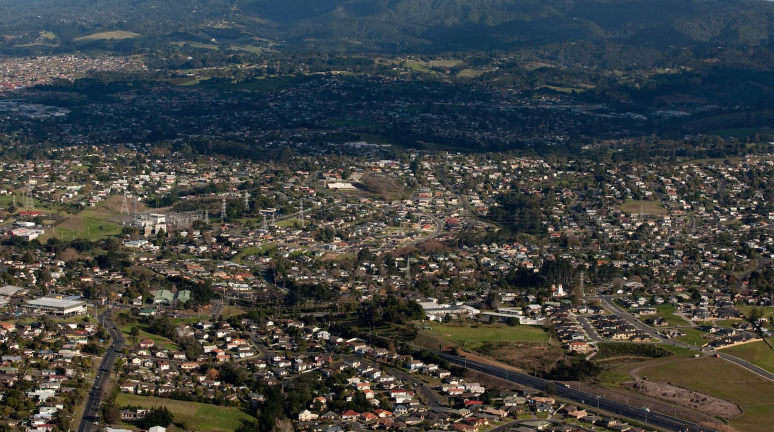
Aerial view of Massey
Recently, 52 buyers who paid a total of NZ$2,030,000 in deposits have been left deeply anxious after failing to receive their promised new homes in Massey. Shockingly, the developer never bought the land intended for these homes, and the development company has entered liquidation, leaving buyers at risk of substantial losses.
Financial management and the development process
Serious problems
On 5 December, the NZ Herald reported this shocking story. According to liquidator Kevyn Botes' preliminary report, the deposits were paid between late 2021 and 2022, with each buyer paying between NZ$75,000 and NZ$100,000. However, the company not only failed to complete the land purchase, but also failed to finish building any homes.
Botes said the buyers' deposits should have been held in a separate solicitor's trust account, but the funds were released early to the developer, Babich Rd. He expressed concern: “We need a law change to protect young first-home buyers. Developers should not receive buyers' deposits before completing the land purchase.”
According to reports, a report released by the Waterstone receivership team showed that one buyer's demand for a deposit refund triggered liquidation proceedings. The company's sole director, Hussain Ebrahim, offered “no substantive information” in explaining the problems and failed to cooperate with the insolvency team's investigation. Botes stressed in the report: “The company planned to build homes on Red Hills Rd in Massey, but the project never really started because the land purchase was not completed.” The report also revealed a shortfall of one million eight hundred thousand New Zealand dollars, with many creditors being first-home buyers and retirees.
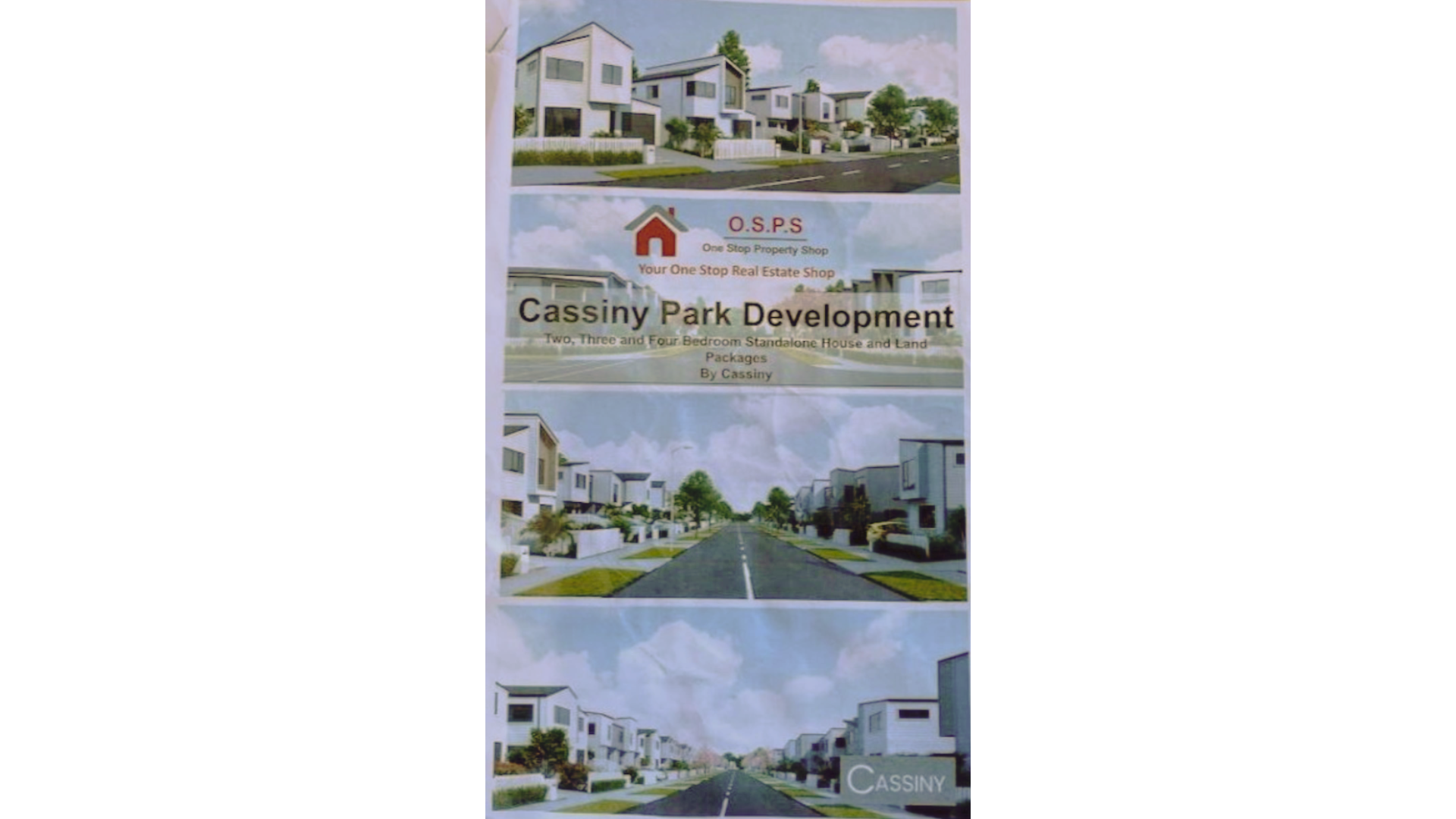 This new housing development was planned for Red Hills Rd in Massey, but the developer never even bought the land
The project was initially marketed on Red Hills Rd as “Cassiny Park Development”, but could not proceed because of high-voltage electricity pylons on the site. Buyers were then advised to switch to a Babich Rd project in Henderson Valley, but that plan also failed to materialise.
Botes said the company's director claimed the project failed because of planning rule changes following Cyclone Gabrielle. However, the liquidation report noted that the land had never been bought before the project's launch, and there was no sign of construction. Whether buyers can recover their deposits remains unknown. New Zealand's Serious Fraud Office (SFO) has been asked to investigate the matter, but has not yet confirmed whether it has received a formal complaint. For these homebuyers, the episode is undoubtedly a disaster, and highlights the importance of safeguards during the purchasing process, particularly clauses protecting deposits. As the investigation progresses, there are hopes that those responsible will be held appropriately accountable and buyers will receive fair compensation.
Construction's downturn:
More than ten thousand jobs lost: where is the path to recovery?
New Zealand's construction industry is undergoing an adjustment, with intensifying job cuts and declines in building consents and construction activity having a significant impact on the sector. According to the latest Stats NZ data, construction jobs fell 5.3% in the year to the end of October this year, equivalent to 11,141 positions lost. This trend is closely linked to falling building consent numbers and also reflects the industry's gradual return to more normal conditions after its peak.
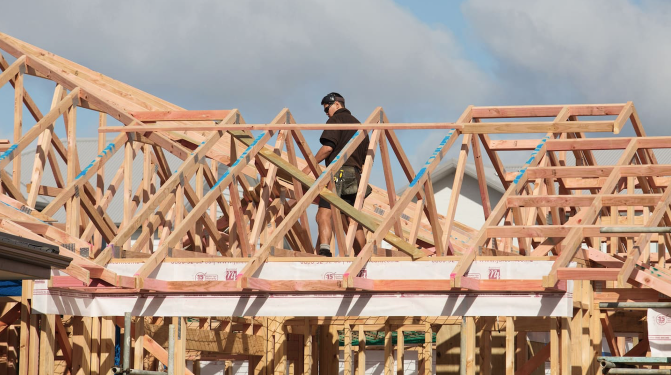
Building consents and activity both decline
In October 2024, 2,850 new homes were consented nationwide, down 6.9% year on year. The decline was driven mainly by a sharp fall in consents for multi-unit homes, including townhouses (down 15%), apartments (down 24%) and retirement units (down 29%). By contrast, consents for standalone houses bucked the trend, rising 8.6% year on year. Short-term fluctuations in consent data are only one sign of the industry's adjustment; more significantly, construction activity is also falling. In the third quarter of 2024, construction activity fell 3.2% from the previous quarter, with residential activity down 3.5% and commercial activity down 2.8%. This was the fifth consecutive quarterly decline, taking the overall fall in construction activity since its 2022 peak to around 14%.
The decline in residential construction activity has been particularly pronounced, at around 20% below its peak. High construction and financing costs have forced many homeowners and developers to scale back new projects, while residential consent numbers have fallen around 30% from their peak. Although commercial construction has been relatively resilient, overall activity has barely grown over the past two years. Retail has been particularly weak, with only limited activity in industrial and office refurbishment projects.
Signs of stability during the adjustment
Despite the disappointing figures, the industry's adjustment appears to be nearing a trough. Westpac senior economist Satish Ranchhod said the decline in residential consents has gradually stabilised, with numbers largely “moving sideways” since early 2024. More positively, some major headwinds are easing. Most importantly, interest rates have begun to fall. Last week, the Reserve Bank of New Zealand cut rates by another 50 basis points, with further reductions expected over the coming months. This brings hope to homebuyers and lays the foundation for the construction industry's longer-term recovery.
The path to recovery
Ranchhod predicts residential and commercial construction activity will gradually recover after the middle of 2025, as economic growth returns and borrowing costs fall. However, the recovery will be gradual, and construction activity may remain weak in the short term. The commercial recovery is more complex. Although investors and owners remain cautious about major capital spending and retail remains subdued, development of industrial and storage facilities is steady, while office refurbishment projects have increased. These signs suggest that, despite considerable challenges, the construction industry is still seeking new directions for growth.